Natural gel for daily skin hydration: a simple home routine that many people appreciate.TA

Many people notice that as they age, their skin becomes drier and less elastic. Daily exposure to sun, wind, and screen time can make the face look tired and less toned. This often leads to a search for gentle, everyday solutions that promote skin comfort and hydration without complicated steps.
That’s why a simple, natural gel has attracted attention in home wellness routines. In this article, we explore how a readily available ingredient integrates into daily skincare, based on common knowledge and general studies on skin hydration. You’ll find practical tips to try at home, as well as the complete preparation method that many readers ask us about.
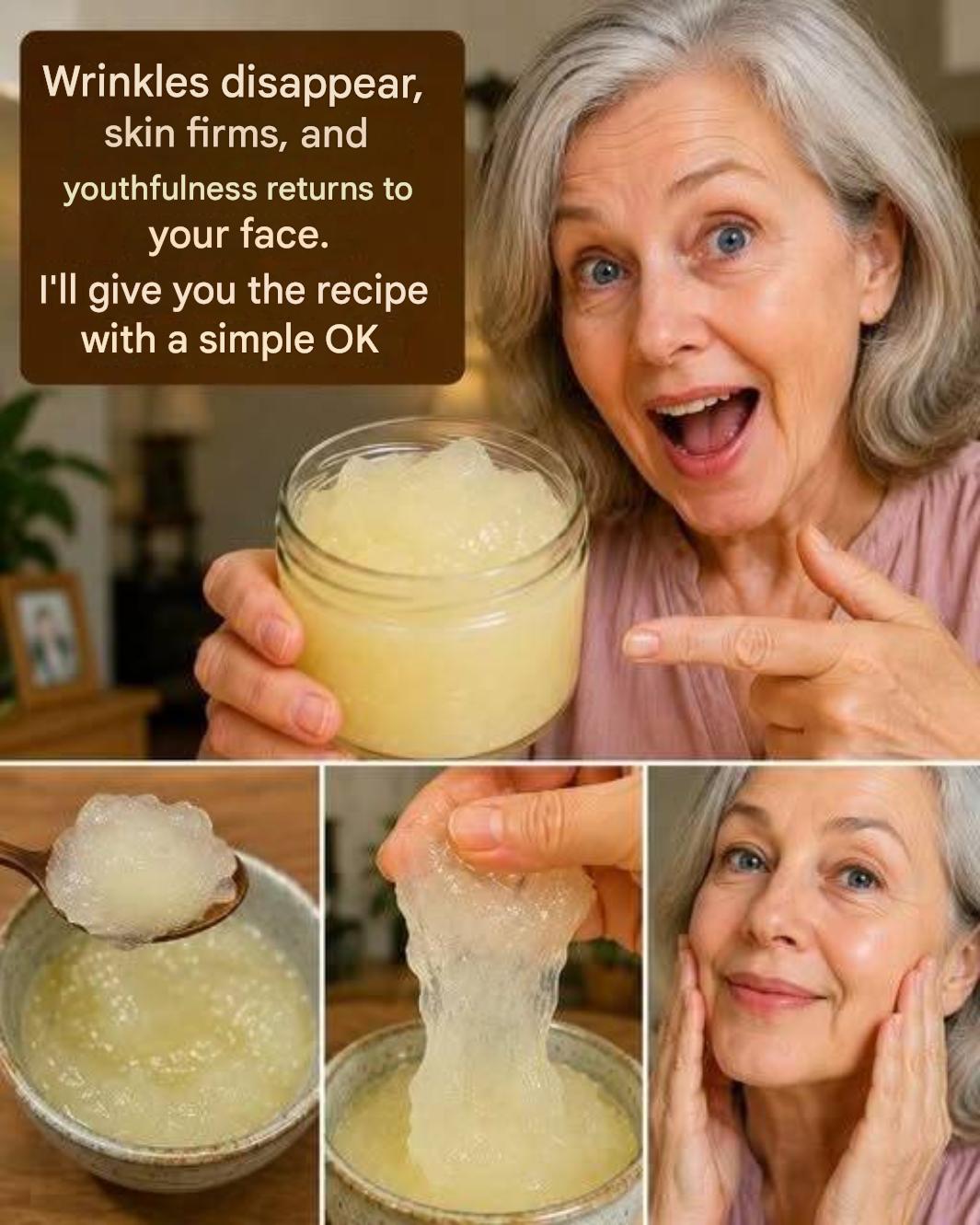
What makes this gel so popular in skincare routines?
Natural gels, like the one shown in many home photos, are derived from plants known for their water content and hydration. Aloe vera gel stands out because it contains water, polysaccharides, and compounds that help soothe and hydrate the skin. Research published in general dermatology journals indicates that aloe vera’s components can support the skin’s barrier function and moisture retention when applied topically.
This makes it a popular product in many cultures for daily skincare. Its texture is light, refreshing, and easy to apply. Many users report feeling softer skin after regular use, although results may vary depending on individual skin type and lifestyle.
Understanding Skin Hydration and Why It’s Important After 30
As we age, natural collagen production slows, and the skin retains less moisture. Environmental factors accelerate this process. A gentle hydration routine can help make skin smoother and more comfortable.
Many wellness experts recommend focusing on consistent hydration rather than drastic changes. A simple gel mask is perfect in this case because it’s affordable, easy to find, and gentle on most skin types.
How to Make Fresh Natural Gel at Home
Making gel at home takes just a few minutes and requires simple kitchen tools. Here’s a simple method:
Choose a fresh, ripe aloe leaf from a trusted plant or purchase pure aloe gel with minimal additives.
Rinse the leaf thoroughly under cold water.
Carefully cut the outer layer to reveal the clear gel inside.
Transfer the gel to a clean bowl and stir lightly if you prefer a smoother consistency.
Store in a clean glass jar in the refrigerator for up to a week.
This preparation preserves the natural properties and avoids the use of unnecessary preservatives.
Step-by-step application procedure for daily use
Integrating this gel into your routine is simple. Many people follow these steps:
Gently cleanse your face with your usual gentle cleanser and pat dry.
Use clean fingertips to scoop out a small amount of fresh gel.
Apply using upward motions to your forehead, cheeks, and chin, avoiding direct contact with your eyes.
Leave on for 15-20 minutes while you relax.
Rinse with warm water or simply pat gently to remove excess and apply your usual moisturizer.
Consistency is more important than intensity. Using it 3 or 4 times a week can become a pleasant part of your evening relaxation.

Additional ingredients that pair well with natural gel
You can enhance the basic gel with common ingredients that many of us already have at home. Here are some popular combinations:
For added softness, mix a small amount of gel with a few drops of vitamin E oil.
Add a pinch of finely ground oatmeal for a gentle soothing effect.
Add to a teaspoon of raw honey for a lightly hydrating mask (test on a small area of skin first).
Blend with mashed ripe banana for a nutritious weekend snack.
These additions keep your routine natural and affordable.
What Science Suggests About Plant-Based Hydration
General studies on aloe vera and similar plant-based gels highlight their potential to promote skin hydration. A review published in the Journal of Dermatological Treatment cites positive effects on hydration markers in several studies. Other research points to the soothing properties of the polysaccharides found in these plants.
Remember that these findings focus on supportive care rather than clinical outcomes. Individual results