A simple way to revitalize thin, oily hair using a papaya leaf scalp cleansing formula.VA

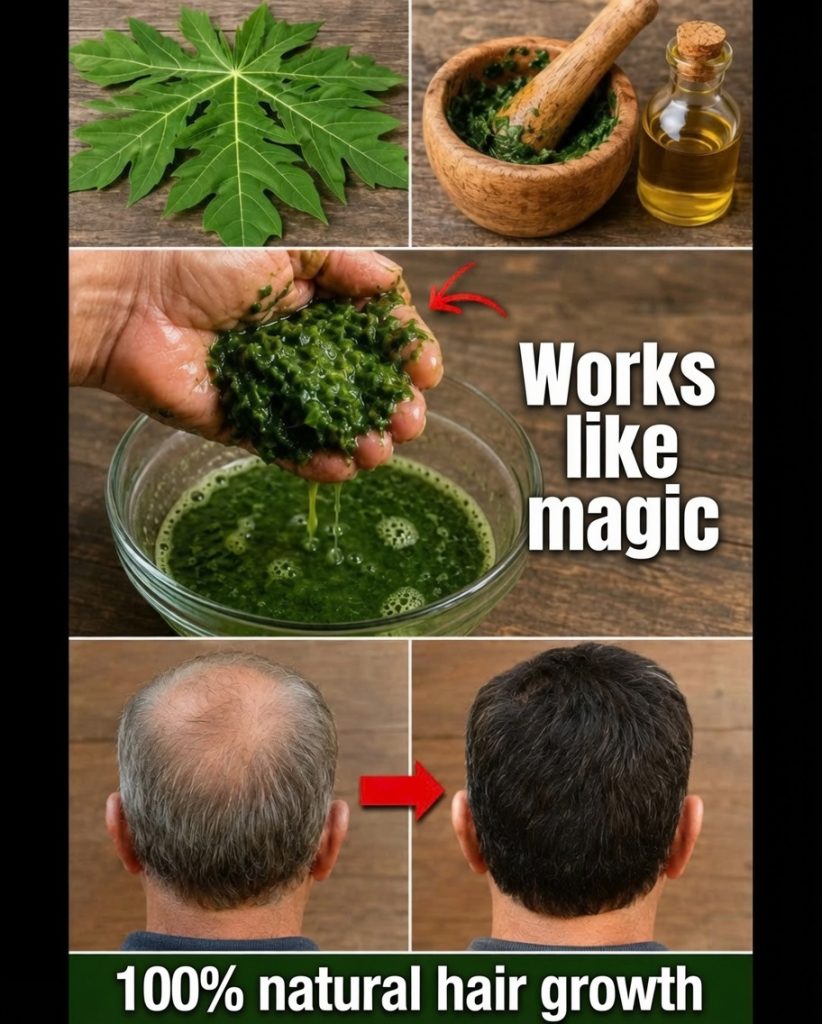
Papaya Leaves for Hair Growth: Can This Natural Remedy Support Healthier Hair?
If your hair seems to grow slowly, feels thinner than it used to, or breaks easily, you’re not alone. Hair concerns affect millions of people, and while countless products promise dramatic results, many people are turning to natural ingredients that have been used in traditional beauty practices for generations.
One ingredient attracting growing attention is papaya leaf. Rich in vitamins, antioxidants, and plant enzymes, papaya leaves have long been used in homemade hair treatments to promote a cleaner, healthier scalp.
Although scientific research is still limited, early studies and traditional use suggest that papaya leaves may help create an environment where hair can grow stronger and healthier.
Let’s explore what we currently know.
Why Papaya Leaves Are Used for Hair Care
Papaya (Carica papaya) is widely known for its nutritious fruit, but its leaves also contain several beneficial plant compounds, including:
- Vitamins A, C, and E
- Flavonoids
- Polyphenols
- Folate
- Papain, a natural enzyme
These nutrients may help nourish the scalp while supporting overall hair health.
Healthy hair begins with a healthy scalp, making proper scalp care an essential part of any hair routine.
Potential Benefits of Papaya Leaves for Hair
1. Helps Keep the Scalp Clean
Papain acts as a gentle natural exfoliant that may help remove excess oil, dead skin cells, and product buildup from the scalp.
A cleaner scalp creates a healthier environment for hair follicles.
2. Rich in Antioxidants
Papaya leaves contain antioxidants that help protect cells from oxidative stress.
Although more human research is needed, antioxidants are known to play an important role in maintaining healthy skin and scalp tissues.
3. May Support Stronger Hair
The vitamins and plant nutrients found in papaya leaves may help support stronger-looking hair and reduce the appearance of breakage when combined with good hair care habits.
Many users report hair that feels softer, smoother, and more manageable after regular use.
4. May Help Improve Overall Scalp Health
Laboratory research suggests papaya leaf extracts possess natural antimicrobial and antifungal properties.
A balanced scalp environment may help reduce common issues such as excess oil and visible flakes in some individuals.
What Does Research Say?
Current scientific evidence remains limited.
Most available studies have been conducted in laboratories or animal models, where papaya leaf extracts demonstrated antioxidant and antimicrobial activity.
Some early findings suggest these extracts may help support healthy hair follicles, but high-quality clinical studies in humans are still lacking.
For now, papaya leaves should be viewed as a complementary part of a healthy hair care routine rather than a proven hair-growth treatment.
Comparing Popular Hair Growth Options
| Treatment | How It Works | Scientific Evidence | Things to Consider |
|---|---|---|---|
| Minoxidil | Supports blood flow to hair follicles | Strong | May cause scalp irritation; results require continued use |
| Biotin | Supports normal hair growth in people with deficiency | Moderate | Most helpful when deficiency exists |
| Papaya Leaf Mask | Nourishes the scalp and gently exfoliates | Limited but emerging | Perform a patch test before use |
| Essential Oils | May stimulate the scalp | Mixed | Some oils may cause irritation or allergic reactions |
Ingredients
- One handful of fresh papaya leaves, thoroughly washed
- 2 tablespoons plain yogurt
- 1 tablespoon honey
- Optional: 1 tablespoon virgin coconut oil
Instructions
Step 1: Blend or finely crush the fresh papaya leaves until they form a smooth paste.
Step 2: Mix the paste with yogurt, honey, and coconut oil until creamy.
Step 3: Massage the mixture gently into your scalp.
Step 4: Work the remaining mixture through the lengths of your hair.
Step 5: Leave the mask on for 30–45 minutes.
Step 6:
Rinse thoroughly using lukewarm water and a mild shampoo.
For many people, applying this treatment once or twice per week is sufficient.
Tips to Get the Best Results
Healthy hair depends on more than one ingredient.
For the best long-term results:
- Eat enough protein every day.
- Include iron-rich foods in your diet.
- Stay well hydrated.
- Massage your scalp regularly.
- Minimize excessive heat styling.
- Use gentle shampoos.
- Be patient and consistent for at least 6–8 weeks.
Healthy hair growth takes time.
Important Safety Tips
Although papaya leaves are generally well tolerated when used externally, everyone reacts differently.
Before using any homemade treatment:
- Perform a patch test on a small area of skin.
- Avoid applying to broken or irritated skin.
- Discontinue use if itching, redness, or irritation develops.
- Consult a dermatologist if you have scalp conditions such as eczema, psoriasis, or severe dandruff.
Natural ingredients can still trigger allergic reactions in sensitive individuals.
Frequently Asked Questions
How long does it take to notice results?
Many people notice softer, shinier hair within a few weeks. Changes in hair growth, if they occur, generally require several months of consistent care.
Can I use this treatment on color-treated hair?
In most cases, yes. However, perform a patch test first to ensure compatibility with your hair products.
Can papaya leaves stop hair loss?
There is currently no strong scientific evidence that papaya leaves can treat hair loss. Persistent or excessive hair shedding should be evaluated by a healthcare professional.
How often should I use a papaya leaf hair mask?
One or two applications per week are generally sufficient for most hair types.
Can I combine this treatment with other hair products?
Yes. Papaya leaf masks can usually be incorporated into an existing hair care routine alongside moisturizing conditioners and gentle shampoos.
Final Thoughts
Papaya leaves have been valued in traditional beauty practices for generations, and their rich combination of vitamins, antioxidants, and natural enzymes makes them an interesting addition to a healthy hair care routine. While current scientific evidence is still developing, many people enjoy using papaya leaf masks to support scalp health, improve hair texture, and maintain stronger-looking hair.
Remember that healthy hair growth depends on multiple factors, including genetics, nutrition, stress management, sleep quality, and consistent hair care. Natural remedies like papaya leaves may complement these habits, but they are not a substitute for medical evaluation if you experience significant or sudden hair loss.
Medical Disclaimer
This article is provided for educational and informational purposes only and should not be considered medical advice. It is not intended to diagnose, treat, cure, or prevent any disease. Scientific evidence regarding papaya leaves for hair growth is still limited, and individual results may vary. Consult a qualified healthcare professional or dermatologist before beginning any new hair or scalp treatment, especially if you have underlying medical conditions, allergies, or persistent hair loss.