WARNING: Britain’s immigration debate is becoming increasingly volatile on the streets. hyn

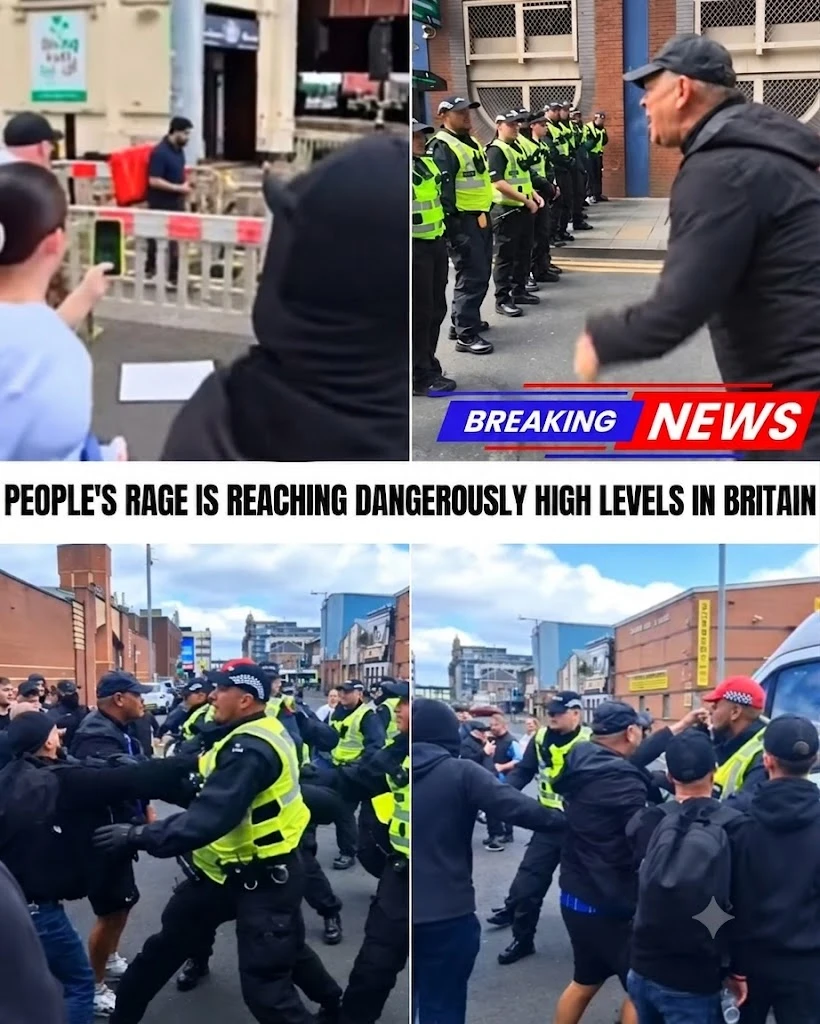
Glasgow Disorder Raises Fresh Alarm Over Britain’s Volatile Immigration Debate
Britain’s immigration debate has moved from Westminster speeches and social-media arguments onto the streets again, after a series of tense confrontations in Glasgow exposed how quickly public anger can escalate into disorder, intimidation and violence.
What unfolded in the city was not a routine protest. It was a warning.
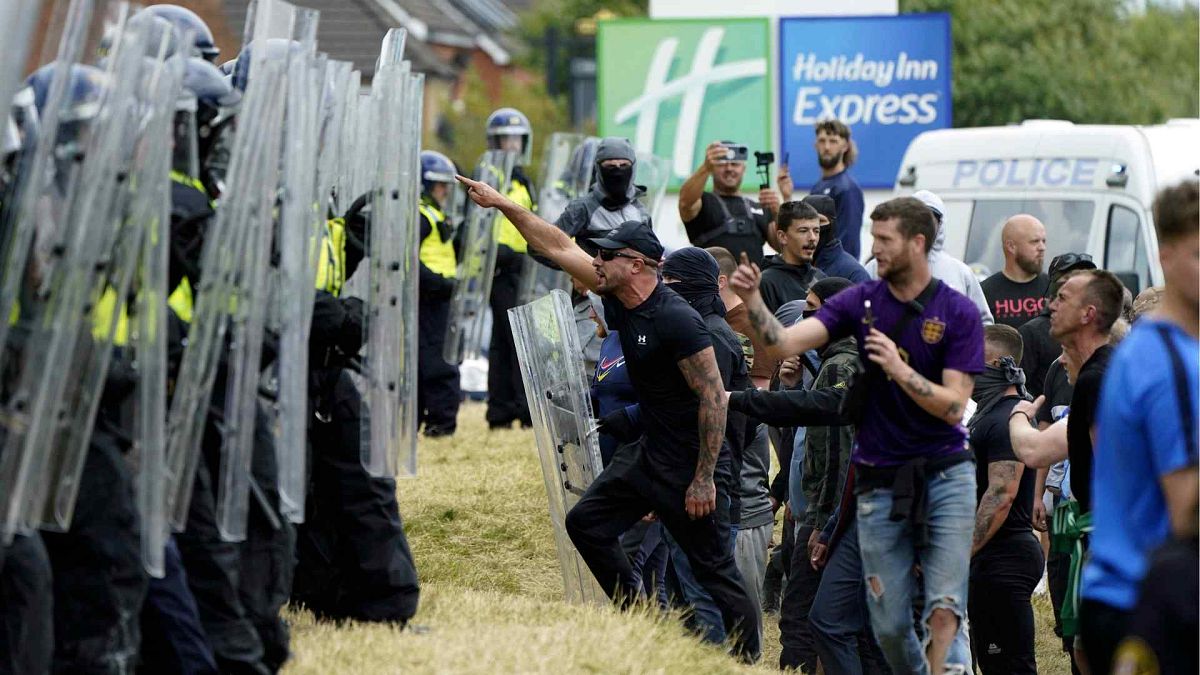
On July 25, 2026, an anti-immigration rally at Glasgow Green was met by anti-racism counter-protesters. Police Scotland said officers responded to “significant disorder from disparate groups” as tensions spread from the park into the city centre. Fifteen people were arrested for offences including assault, possession of an offensive weapon, obstruction, breach of the peace and resisting arrest.
Then, just over a week later, further disorder erupted in Priesthill Road in Glasgow on the evening of August 2, where police said officers were pelted with eggs and bricks. Three officers were injured and three police vehicles were damaged, including one reportedly written off. Police Scotland said the incident began as a demonstration outside a home and escalated into violence, with some in the crowd masked.
Together, the incidents have forced a difficult question into the open: are these isolated flare-ups, or signs of a wider national trend in which immigration, misinformation and street politics are becoming dangerously intertwined?
The Delivery Driver Video
One of the most disturbing clips from the Glasgow disorder showed a delivery driver being chased and targeted by members of the public.
STV reported that Jawad Yaqoob, a delivery driver, was forced to hide in a restaurant after a traffic cone was thrown at him during a racist attack linked to the anti-immigration protest. He said he no longer felt safe in Glasgow.
The Independent also reported that social-media footage appeared to show a non-white delivery driver being chased by masked men while one person threw a traffic cone and others shouted “get them out.” Police Scotland vowed to identify those responsible for the disorder and intimidation.
That video became a symbol of why this issue is so sensitive.
A protest about immigration policy is one thing.
A member of the public being targeted because of how he looks is something else entirely.
That distinction matters. People have the right to protest immigration policy, asylum hotels, border failures or government decisions. They do not have the right to intimidate, chase or attack individuals in the street.
Police Warnings Over Extremist Exploitation
Police and political leaders in Scotland have warned that extremist groups may be exploiting public concern about immigration to inflame tensions.
The Scottish Sun reported that police and politicians had raised concerns about “extremist yobs” hijacking lawful protests to spread hate, with groups such as Unite the Clans and Patriotic Alternative linked to recent demonstrations. The same report said officials were concerned that misinformation and rumours about alleged offenders were fuelling public anger and, in some cases, wrongly targeting innocent people.
This is the danger now facing Britain.
There are legitimate public concerns about immigration, crime, housing pressure, asylum accommodation and border control. Those concerns deserve serious political answers.
But when those concerns are mixed with false rumours, vigilante behaviour and racial targeting, the result can become explosive.
A Debate Turning Physical
Immigration has long been one of Britain’s most divisive political issues. What is changing is the visibility of street confrontation.
In Glasgow, police were not simply managing two peaceful groups with opposing views. They were preventing direct confrontation, responding to violence, making arrests and dealing with intimidation spilling into public streets.
The July 25 protest saw disorder move beyond Glasgow Green into the city centre. The August 2 Priesthill Road incident involved officers protecting residents while facing a hostile crowd. These are not abstract policy debates. They are public-order events requiring significant police resources.
That is why the issue is moving beyond immigration alone.
It is now also about policing, misinformation, social cohesion and whether democratic protest can be protected without allowing intimidation to take over the streets.
Why People Are Angry
It would be a mistake to pretend that all public concern about immigration is extremist.
Many people are angry because they believe governments have failed to control borders, failed to deport those with no right to remain, failed to process asylum claims quickly and failed to listen to local communities affected by sudden accommodation decisions.
Those concerns are politically real.
If mainstream parties dismiss every concern as racism, they create space for harder voices to claim ownership of the issue.
But it would also be a mistake to ignore how quickly immigration anger can be redirected toward innocent individuals. The attack on a delivery driver shows how policy frustration can become racial intimidation when mobs act on suspicion rather than facts.
That is the line Britain cannot afford to cross.
The Role of Social Media
Social media is accelerating these confrontations.
Rumours spread before facts are checked. Clips circulate without context. Allegations about alleged offenders, immigration status or local accommodation can move through online groups within minutes. By the time police issue a correction, anger may already have moved into the street.
Police Scotland urged responsible use of social media after the Priesthill Road disorder, warning that misinformation can inflame tensions and put people at risk.
That warning should be taken seriously.
A false claim about one address, one suspect or one community can have real-world consequences.
Peaceful Protest Must Be Protected
The right to protest is fundamental.
People must be allowed to criticise immigration policy, oppose asylum accommodation, challenge government decisions and express anger at political failure.
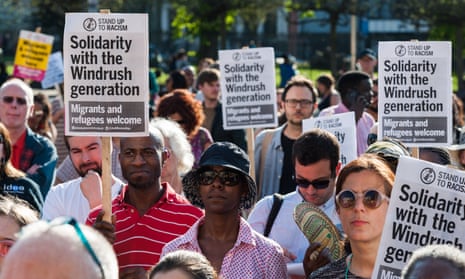
Counter-protesters also have the right to oppose what they see as racism or far-right intimidation.
But neither side has the right to use violence, threats or mob pressure.
Police Scotland’s position has been clear: peaceful protest is lawful; disorder, intimidation and hate-motivated offences are not. The force has launched major investigations into the recent violence and appealed for footage and information from the public.
That is the line that must hold.
If peaceful protest collapses into street confrontation, everyone loses: residents, police, lawful campaigners, minority communities and public trust.
Is This Part of a Larger National Trend?
The Glasgow incidents do appear to fit a wider pattern.
Across Britain, immigration has become tied to local protests over asylum hotels, alleged crimes, public safety, housing pressure and distrust of government. Some protests remain peaceful. Others attract agitators, extremists or people looking for confrontation.
Scotland is not isolated from that trend. Police and researchers have warned of far-right organising around some demonstrations, while anti-racism groups have mobilised in response. That creates a volatile environment in which rival groups arrive prepared not only to speak, but to confront.
The danger is escalation.
One protest leads to a counter-protest.
One rumour leads to a crowd.
One viral clip leads to retaliation.
One confrontation becomes a template for the next city.
That is how isolated incidents become a national pattern.
What Political Leaders Must Do
Political leaders cannot solve this by slogans.
They need to do two things at once.
First, they must take immigration concerns seriously. That means faster asylum decisions, clearer communication with local communities, stronger action against people-smuggling gangs, lawful removals where claims fail, and transparency about accommodation decisions.
Second, they must draw a hard line against violence and racial intimidation. A person delivering food, walking down the street, living in a neighbourhood or working in a local shop cannot become a target because strangers believe they represent an immigration policy they dislike.
Both parts are essential.
Border control without public decency becomes cruelty.
Anti-racism without honest policy answers becomes denial.
Britain needs both control and calm.
Conclusion: Glasgow Is a Warning
The Glasgow disorder should be treated as a warning, not just a local disturbance.
The anti-immigration rally, counter-protests, arrests, police injuries, damaged vehicles and attack on a delivery driver all point to a debate becoming more volatile on the streets.
People have the right to be angry about immigration policy.
They have the right to demand border control.
They have the right to protest peacefully.
But no one has the right to chase a delivery driver, throw objects at police, intimidate residents or turn rumours into street justice.
The question is not whether Britain should debate immigration.
It must.
The question is whether it can still debate immigration without allowing fear, misinformation and mob behaviour to decide what happens next.
Glasgow has shown how thin that line can become.