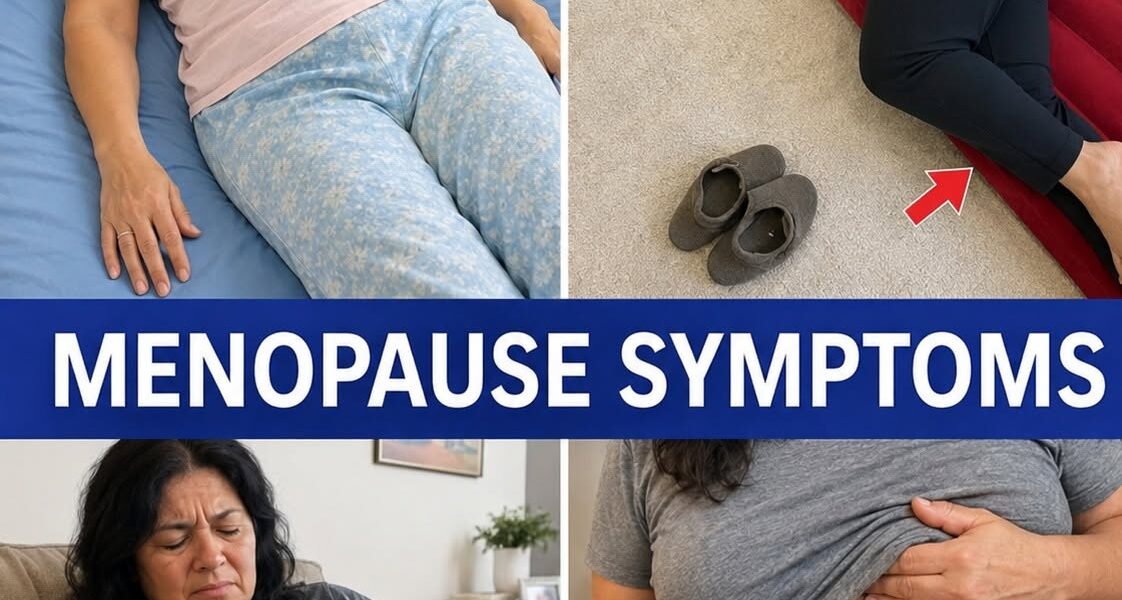

You’re tossing and turning at night, waking up drenched in sweat even when the room feels cool. Your favorite jeans suddenly feel tighter around the middle, and small things that never bothered you before now leave you feeling irritable or overwhelmed. These changes can feel confusing and isolating, especially when they creep up gradually during your 40s or 50s.
The truth is, hormonal shifts during the menopausal transition affect far more than just your periods. But here’s the good news: understanding what’s happening can help you feel more in control and empowered. In this article, we’ll explore nine common signs that many women experience, along with practical insights to navigate this natural phase of life.

What Is the Menopausal Transition, and Why Does It Happen?
The menopausal transition, often called perimenopause, is a normal biological process where estrogen and progesterone levels fluctuate and eventually decline. For many women, this begins in their mid-40s, though it can start earlier or later. Research shows these changes impact everything from sleep and mood to metabolism and body temperature regulation.
But that doesn’t mean you have to simply endure it. Many women find relief through lifestyle adjustments and greater awareness. Let’s dive into the signs you might be noticing right now.
1. Irregular Periods: The First Clue for Many Women
One of the earliest and most noticeable shifts is a change in your menstrual cycle. Periods may become lighter or heavier, closer together or further apart, or even skip months entirely. Studies indicate these irregularities often signal the beginning of the transition as ovulation becomes less consistent.
If you’ve always counted on a predictable cycle, this can feel unsettling. Tracking your cycle with an app or journal can provide helpful patterns and peace of mind.
 100vw, 800px” data-lazy-src=”https://healthy.alodi.net/wp-content/uploads/2026/06/image-1285.jpg” /></figure>
<h3 class=) 2. Hot Flashes and Night Sweats That Disrupt Everything
2. Hot Flashes and Night Sweats That Disrupt Everything
A sudden wave of heat spreading across your face, neck, and chest—sometimes followed by heavy sweating—can strike at any time. Night sweats are particularly common, leaving sheets and pajamas damp and making restful sleep nearly impossible.
Why it happens: Declining estrogen affects the body’s thermostat. Many women report these episodes multiple times a day or night, contributing to fatigue the next day.
Here’s a quick comparison of common experiences:
- Daytime hot flashes: Brief, intense warmth with flushing and rapid heartbeat
- Night sweats: Often more intense, soaking through clothes and bedding, leading to chills afterward
3. Sleep Disturbances That Leave You Exhausted
Even without night sweats, falling asleep or staying asleep can become challenging. You might wake frequently or feel unrefreshed in the morning. The image of waking up tired despite trying to rest resonates with so many women during this time.
Poor sleep doesn’t just affect energy—it can worsen mood and concentration too. But small adjustments often make a noticeable difference.
 100vw, 800px” data-lazy-src=”https://healthy.alodi.net/wp-content/uploads/2026/06/image-1287.jpg” /></figure>
<h3 class=) 4. Unexpected Weight Gain, Especially Around the Midsection
4. Unexpected Weight Gain, Especially Around the Midsection
Many women notice pounds creeping on, particularly around the abdomen, even if their diet and activity levels haven’t changed much. Slower metabolism and shifts in fat distribution play key roles here.
The photo showing changes in belly area highlights how frustrating this can feel. It’s not about “trying harder”—it’s about understanding how hormones influence where your body stores energy.
5. Mood Changes and Emotional Sensitivity
Irritability, anxiety, or sudden mood swings can feel out of character. Some days you might feel fine, and others everything seems overwhelming. These emotional shifts are linked to fluctuating hormones affecting brain chemistry.
You’re not “losing it.” This is a common experience, and recognizing it as part of the transition can reduce self-blame.
6. Vaginal Dryness and Discomfort
Many women experience increased dryness, which can make intimacy uncomfortable. This stems from lower estrogen levels affecting vaginal tissues. It’s a topic not often discussed openly, but it’s extremely common.
 100vw, 800px” data-lazy-src=”https://healthy.alodi.net/wp-content/uploads/2026/06/image-1286.jpg” /></figure>
<h3 class=) 7. Changes in Skin, Hair, and Overall Texture
7. Changes in Skin, Hair, and Overall Texture
Skin may feel drier or less elastic, while hair can become thinner or more brittle. These visible changes can affect confidence, but they are typical responses to hormonal adjustments.
8. Brain Fog and Memory Lapses
Forgetting names, struggling to focus, or feeling mentally fuzzy is frequently reported. Research links these cognitive shifts to hormonal changes, though they are usually temporary.
9. Joint Pain, Bloating, and Other Physical Sensations
Aching joints, persistent bloating, or general discomfort can emerge. The image depicting abdominal tenderness points to how bloating and sensitivity often accompany this phase.
But that’s not all. These signs often overlap and vary greatly from woman to woman. Some experience just a few, while others notice more. The key is paying attention to your body without unnecessary worry.
 100vw, 800px” data-lazy-src=”https://healthy.alodi.net/wp-content/uploads/2026/06/image-1288.jpg” /></figure>
<h3 class=) Actionable Tips: Small Changes That Can Make a Big Difference
Actionable Tips: Small Changes That Can Make a Big Difference
You don’t need drastic overhauls to feel better. Here are practical, step-by-step strategies many women find helpful:
- For better sleep and fewer night sweats: Keep your bedroom cool (around 60-67°F/15-19°C). Wear breathable cotton pajamas and use a fan. Layer bedding so you can easily adjust during the night.
- Support healthy weight and energy: Focus on strength training 2-3 times per week, combined with daily walks. Prioritize protein-rich meals and plenty of vegetables to help stabilize blood sugar and metabolism.
- Manage mood and brain fog: Practice short daily mindfulness or deep breathing (try 4-7-8 breathing: inhale 4 seconds, hold 7, exhale 8). Stay socially connected and consider journaling to process emotions.
- Ease physical discomfort: Stay hydrated, limit caffeine and alcohol (common triggers), and wear loose, layered clothing. Over-the-counter lubricants can provide relief for dryness.
Additional supportive habits:
- Eat a balanced diet rich in fruits, vegetables, whole grains, and calcium sources.
- Maintain regular physical activity most days.
- Consider tracking symptoms in a simple notebook or app to identify personal patterns.
Many women report that combining these lifestyle approaches leads to noticeable improvements in how they feel day to day.
Conclusion: Embracing This New Chapter With Confidence
Going through menopause is a natural transition, not an ending. By recognizing these nine signs—irregular periods, hot flashes, sleep issues, weight changes, mood shifts, dryness, skin/hair changes, brain fog, and physical discomfort—you’re already taking an important step toward understanding and supporting your body.
Every woman’s experience is unique, and what works best may evolve over time. Focus on self-compassion, consistent healthy habits, and reaching out for support when needed. Many women emerge from this phase feeling stronger, wiser, and more in tune with themselves than ever before.
Frequently Asked Questions (FAQs)
1. At what age does menopause usually start? Most women enter the menopausal transition in their mid-40s to early 50s, with the average age of full menopause (12 months without a period) around 51. However, timing varies widely based on genetics, lifestyle, and health factors.
2. How long do menopause symptoms typically last? Symptoms can last anywhere from a few months to several years. For many, hot flashes and other issues gradually ease over time, though some women experience them longer. Individual experiences differ significantly.
3. When should I talk to a healthcare provider about my symptoms? It’s wise to consult a doctor if symptoms significantly impact your daily life, sleep, or well-being, or if you have concerns about irregular bleeding, severe mood changes, or other health issues. They can help rule out other causes and discuss personalized options.
Medical Disclaimer: This article is for informational purposes only and is not intended as medical advice, diagnosis, or treatment. Always consult with a qualified healthcare professional for personalized guidance regarding your health and any symptoms you may be experiencing.