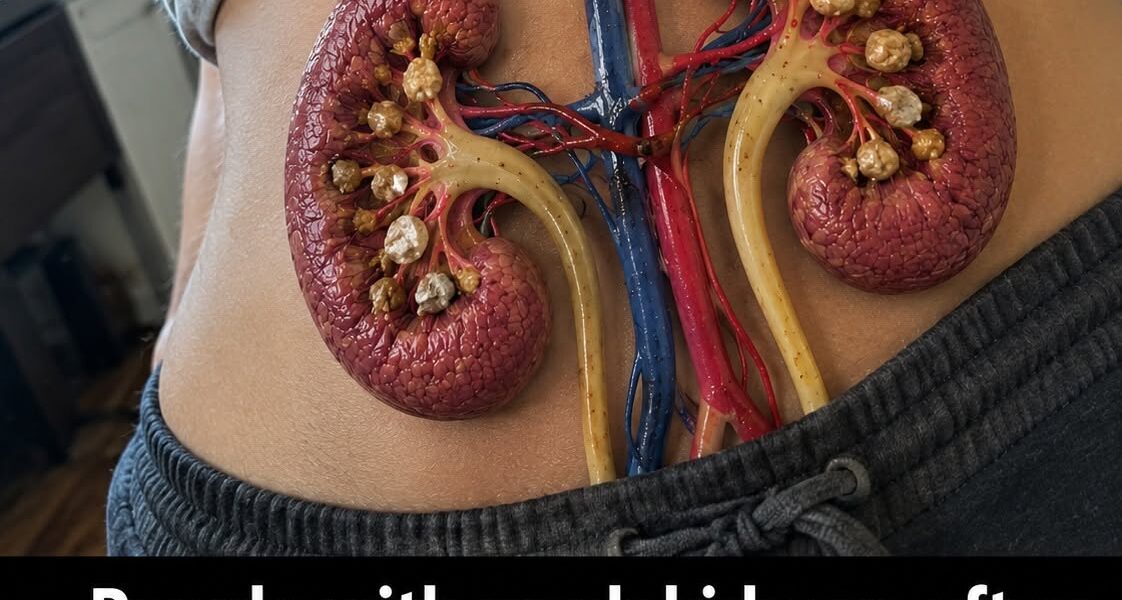
Could That Persistent Pain Be a Kidney Health Issue? 5 Regions Older Adults Commonly Overlook

You notice the dull ache along your lower back again when you stand up from the sofa, or your ankles look a little fuller by the end of the day. Like countless others in their later years, you probably brush it off as “just getting older” or the result of yesterday’s walk in the garden. Yet when these sensations keep returning without an obvious cause, it can leave you quietly wondering whether something deeper is going on. The kidneys work quietly in the background every single day, filtering blood and balancing fluid. As the years pass, changes can develop gradually, and the signals they send are often subtle rather than dramatic.
The encouraging truth is that noticing these patterns early gives you a genuine chance to bring clear information to your healthcare team. And near the end of this article I’ll share one simple daily habit that many professionals wish more people would start – it takes almost no extra time and can help you stay ahead of small shifts.

The Flank Area Just Below the Ribs
Your kidneys sit toward the back of your body, protected under the lower ribs on each side of the spine. When they experience pressure, irritation, or changes in fluid balance, the discomfort often appears as a steady, deep ache in this flank region. People commonly describe it as a heavy tiredness or soreness that stays present whether you are sitting, standing, or lying down.
Unlike muscle strain from bending or lifting, this sensation usually does not sharpen dramatically with specific movements. It can stay on one side or appear on both. Many older adults have lived with occasional back stiffness for years, so it feels natural to assume it is posture or arthritis acting up. The gradual onset makes it easy to adapt to rather than question.
What helps is paying attention to whether the ache lingers beyond a week or two without improving after rest or gentle stretching. Keeping a short note of when it appears and how long it lasts can turn vague worry into useful information for your next visit.
Pain That Moves Into the Lower Belly or Groin
 Sometimes the discomfort does not stay in the back. Pressure or movement along the urinary pathway can send sensations downward into the lower abdomen or groin. The feeling may come in waves or sit as a constant background ache.
It is very common to wonder whether it relates to digestion, a small hernia, or hip trouble. The helpful distinction is that discomfort linked to the kidneys often lacks the sharp “catch” you would expect when you twist or stand from a chair. It tends to remain steady regardless of position.
If this type of pain appears alongside changes in how often or how comfortably you urinate, or if it keeps returning, that combination is worth mentioning. Many people delay speaking up because they hope it will simply fade, yet bringing it forward early can prevent weeks of unnecessary discomfort.
Swelling That Shows Up in Ankles, Feet, or Hands
 When the body has more difficulty balancing salt and fluid, extra liquid can settle in the lowest areas first. You might notice your ankles or feet look fuller by evening, or that your shoes and socks leave deeper impressions than before. Hands can feel tighter too, especially in the morning.
It is easy to blame long periods of sitting, warm weather, or simply being on your feet. These factors do play a role for many people. The difference worth noting is when the puffiness appears on both sides, lasts through the night, or shows up in several places at once without a clear trigger such as travel or a salty meal.
A practical step many find useful is to elevate the feet for twenty to thirty minutes in the late afternoon while reading or watching television. Observe whether the swelling reduces noticeably by the next morning. That simple observation often provides helpful details to share with your doctor.
Mild Puffiness Around the Eyes
The skin around the eyes is thin, so small shifts in fluid balance can appear here as gentle morning puffiness. You may assume it comes from a restless night or seasonal sensitivities. While those explanations are common, persistent swelling around the eyes that does not come with redness or strong itching can sometimes relate to how the body is managing fluid overall.
Many people apply cold compresses or extra moisturizer and move on. When the puffiness becomes a regular morning feature rather than an occasional one, it becomes another piece of the puzzle worth tracking alongside the other areas mentioned.
Dry, Itchy Skin That Lotion Does Not Fully Calm
As years pass, skin naturally becomes drier. Yet when kidneys have a harder time clearing certain waste products, the itch can feel deeper and more widespread. It often appears on the legs, arms, or back and may disturb sleep even after generous use of moisturizer.
Most people first suspect the weather, a new soap, or simply “older skin.” When the itching stays intense and does not improve much with basic skin care, it can be another signal that the body’s filtering system needs attention. The key is noticing whether this change arrived alongside any of the other discomforts discussed.
How These Sensations Differ From Everyday Aches
A clear comparison can help you decide what deserves a conversation.
| Feature | Often Everyday Muscle or Joint | Worth Discussing With Your Doctor |
|---|---|---|
| Type of discomfort | Sharp or stabbing, tied to a specific movement | Dull, steady ache that stays similar regardless of position |
| Swelling pattern | Localized after activity or injury | Appears in feet plus hands or around eyes, lingers |
| Skin changes | None or mild dryness from weather | Widespread itch that basic moisturizers do not calm |
| How long it lasts | Usually improves within a few days | Continues for weeks without clear reason |
| Other clues | Improves with rest or gentle stretch | May come with unusual tiredness or bathroom habit changes |
This table is not a diagnosis tool. It simply highlights patterns that many healthcare professionals find useful when patients describe what they are experiencing.
Everyday Habits That Support Kidney Health as You Age
 Small, consistent actions often make the biggest difference over time.
- Sip water steadily through the day rather than drinking large amounts at once. Your body responds well to regular, moderate intake.
- Reduce hidden salt by checking labels on packaged foods and choosing fresh ingredients when possible.
- Keep moving with gentle daily activity such as short walks or simple chair exercises that support circulation.
- Be thoughtful with over-the-counter pain relievers. Frequent use of certain types can add extra work for the kidneys; your pharmacist can suggest alternatives for occasional discomfort.
- Protect blood pressure and blood sugar levels through the habits your doctor already recommends. Both play major roles in long-term kidney resilience.
- Keep regular wellness visits. Simple blood and urine checks can reveal shifts long before major symptoms appear.
The One Habit Most People Overlook
After decades of pushing through minor discomfort, one of the most protective steps is simply giving yourself permission to notice small changes without judgment. Many people wait until something feels serious enough to mention. Yet spending two minutes each evening noting energy level, any swelling, or that familiar back sensation can reveal patterns you would otherwise miss. When you bring those short notes to your next appointment, you arrive with clear, useful information rather than vague worry. That simple act of observation turns passive concern into active partnership with your care team.
Frequently Asked Questions
Can every backache be linked to the kidneys?
No. Most back discomfort comes from muscles, posture, or joints, especially after a lifetime of activity. The difference usually lies in whether the ache stays constant, does not change much with position, and appears alongside other changes such as swelling or shifts in bathroom habits. Your doctor can help sort through the possibilities with the right questions and tests.
Does swelling in the feet always mean something with the kidneys?
No. Swelling has many possible causes, including circulation, certain medications, or simply being on your feet. When it occurs on both sides, shows up in the hands as well, or does not improve with elevation and rest, that pattern becomes worth discussing so the actual reason can be identified.
If I only feel more tired and have dry skin, is that enough reason to check?
Fatigue and drier skin are extremely common for many reasons in later life. The helpful question is whether these changes feel new or are happening together with any of the other areas mentioned. Your doctor can order straightforward blood and urine tests that give a clear picture of kidney function. There is no need to guess on your own.
A Closing Thought
Your body has carried you through decades of responsibilities, joys, and challenges. Paying attention to its quieter signals is not about fear. It is about respect for everything it has already done and continues to do. These five regions are simply places where changes sometimes become noticeable first. Bringing them forward with your healthcare provider is not overreacting. It is one of the kindest things you can do for yourself.
This article is for general informational purposes only and does not constitute medical advice. It is not intended to diagnose, treat, cure, or prevent any disease. Always seek the advice of your physician or other qualified health provider with any questions you may have regarding a medical condition or before making changes to your health routine.