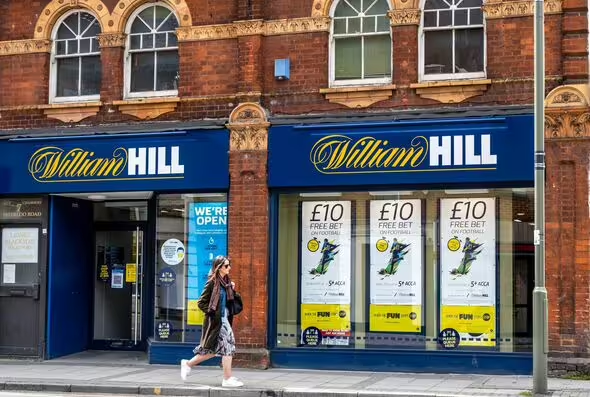


William Hill is to close some 200 branches (Image: Getty)
William Hill is preparing to close some 200 shops just hours before tax rises are to hit the gambling industry. Roughly 15% of the bookmakers’ 1,300 stores will close their doors for good from May as they are “no longer suitable”. A company-wide virtual meeting was held at 9am on March 31 in preparation for the announcement, according to an email seen by the Daily Star.
This comes following Rachel Reeves‘ Budget measures, which will see gambling duty shoot up from 21% to 40% from April 1. There will also be a new online sports betting duty of 25% from 2027, covering all sports except horse racing.

The bookies’ owners citied higher costs as a reason for closing. (Image: Getty)
William Hill owners Evoke cited “significant tax increases” as a reason for the store closures as the bookmakers battles “rising cost pressures”.
A spokesperson said: “Following a thorough review and further to increased cost pressures on the regulated sector including significant tax increases announced by the Government in last year’s Autumn Budget, from May we are closing a number of shops that are no longer sustainable.
“We are offering our full support to our retail colleagues who are affected by these closures.
“These decisions are never taken lightly, however in the face of rising cost pressures we must take action to ensure we can continue to invest in our core retail estate, with the right shops, in the right locations.”
Our community members are treated to special offers, promotions, and adverts from us and our partners. You can check out at any time. Read our Privacy Policy
In January, Evoke said it moved “quickly and decisively” to offset gambling tax changes with cost-cutting and shop closures, and was looking at a possible sale of the company.
The company said last year that changes to online gaming duties and a new online sports betting tax would see its duty costs rise by up to £135 million a year from 2027.
Evoke previously said it expects to offset around half of the impact of the tax increases through store closures and also measures, including potential “changes to the customer proposition” and supplier savings.
