

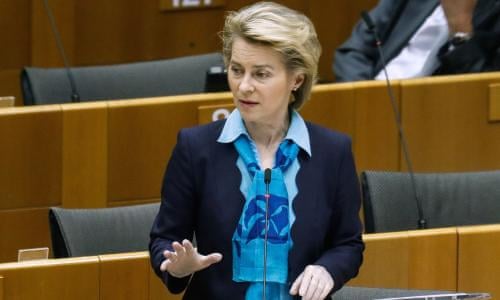
In a historic and unprecedented vote, the European Parliament has approved stricter immigration policies aimed at expediting the return of migrants lacking legal residency. This significant move has reportedly left European Commission President Ursula von der Leyen visibly frustrated, signaling a potential shift in the EU’s approach to migration management.
.webp)
The new measures emphasize faster deportations and enhanced enforcement mechanisms to manage individuals awaiting removal. This includes tighter border procedures and quicker decision-making at entry points, aimed at preventing prolonged stays for those without legal status. The Parliament’s decision marks a pivotal moment in the EU’s ongoing struggle with migration issues.
Additionally, the reforms call for increased cooperation with migrants’ countries of origin, mandating that these nations accept their citizens back. This aspect of the legislation aims to address the loopholes that have allowed many rejected asylum seekers to remain in Europe despite deportation orders.

The vote has elicited mixed reactions, with supporters celebrating a necessary step toward stricter immigration control, while critics argue it undermines humanitarian principles. The changes are likely to impact not only EU member states but also neighboring countries, including the United Kingdom, which may see an influx of migrants redirected from Europe.
As the European Parliament moves toward a more stringent migration stance, the emphasis is clearly on enforcing existing regulations more effectively. This shift could lead to a more challenging environment for illegal migrants seeking to establish themselves in Europe.
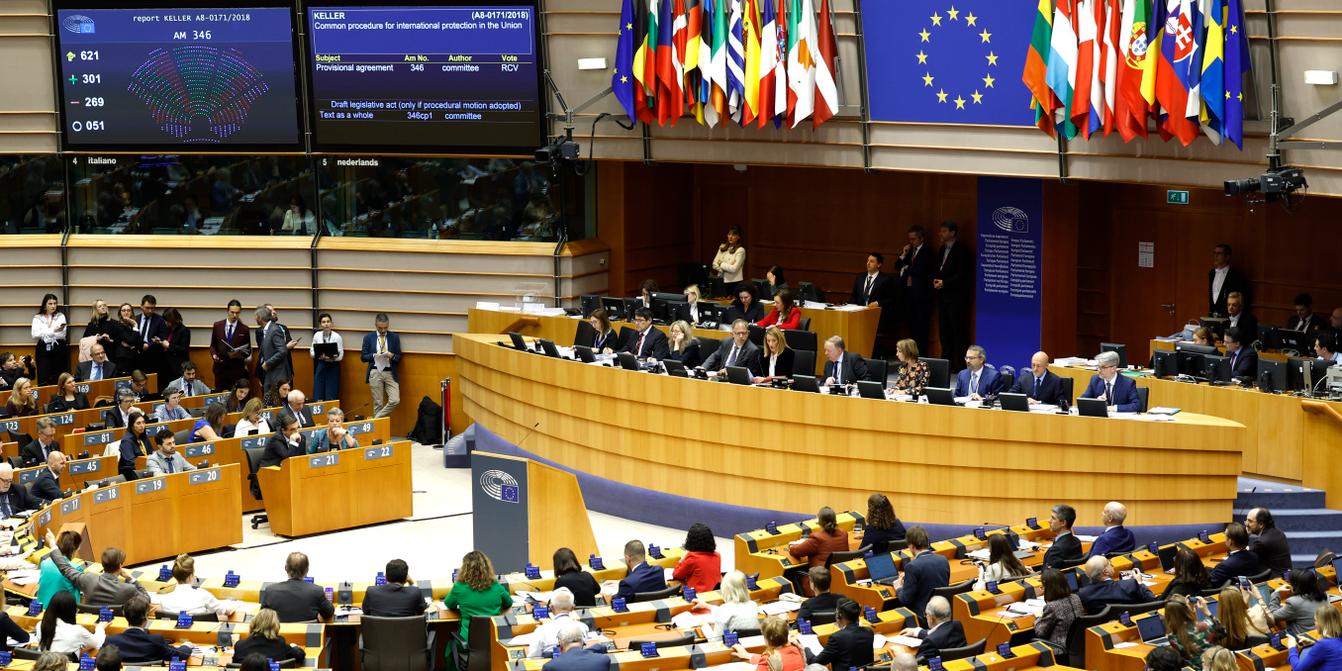
The implications of this vote extend beyond immediate policy changes, as it reflects a growing sentiment within the EU to prioritize national sovereignty and border security. With the potential for increased tensions between member states and the EU institutions, the coming months will be critical in shaping the future of migration policy in Europe.
Observers will be closely monitoring how these new regulations are implemented and whether they achieve the intended outcomes of reducing illegal migration and enhancing border control. The European Parliament’s decision signals a decisive moment in the ongoing debate over immigration, with far-reaching consequences for the continent.

The intensity of this decision cannot be overstated, as it arrives at a time when migration has once again become one of the most defining and divisive political issues across the continent, shaping elections, influencing public opinion, and redefining alliances between nations that were once firmly aligned on more liberal approaches to border control. What makes this shift particularly striking is how quickly the tone has changed within the European Union, moving from discussions centered on solidarity and shared responsibility to a far more enforcement-driven narrative that prioritizes immediate action and measurable outcomes.
For Ursula von der Leyen, the pressure is mounting not only from opposition voices but also from within the EU’s own institutional framework, where competing interests between member states have made it increasingly difficult to maintain a unified stance. While the European Commission has traditionally attempted to balance humanitarian obligations with practical border management, the Parliament’s latest vote suggests that patience among lawmakers is wearing thin, especially in countries facing sustained migration pressure at their external borders.
At the heart of the reform lies a fundamental question that has haunted European policymakers for years: how to create a system that is both fair and effective. The introduction of faster deportation procedures is intended to close the gap between legal decisions and actual enforcement, a gap that critics argue has undermined the credibility of the entire asylum system. By accelerating the process, lawmakers hope to send a clear message that illegal entry will not result in prolonged stays or opportunities to circumvent the rules through bureaucratic delays.
However, the practical implementation of these measures presents a series of complex challenges that cannot be ignored. Deportations, for instance, rely heavily on cooperation from countries of origin, many of which have historically been reluctant to accept returning migrants. The new legislation’s emphasis on mandatory cooperation could lead to diplomatic tensions, particularly if incentives or penalties are introduced to ensure compliance. This raises concerns about how such policies might affect the EU’s broader foreign relations strategy, especially with nations in Africa and the Middle East.
The reference to enhanced border procedures also signals a significant transformation in how arrivals are handled at the EU’s external frontiers. Faster screenings, stricter documentation requirements, and more immediate decisions on asylum claims could fundamentally alter the experience of migrants upon arrival. While proponents argue that this will reduce backlogs and discourage irregular migration, critics warn that it may increase the risk of wrongful rejections or insufficient consideration of individual circumstances, potentially leading to legal challenges at both national and European levels.
In the broader political landscape, this vote is likely to have ripple effects that extend far beyond Brussels. In countries like France, Germany, and Italy, where migration has been a central issue in recent elections, the Parliament’s decision could embolden political parties advocating for tougher controls while forcing more moderate leaders to reassess their positions. The shift may also influence future negotiations on EU-wide policies, as member states push for greater flexibility in implementing the new rules according to their national priorities.
The United Kingdom, despite its departure from the EU following Brexit, remains deeply connected to these developments. Any tightening of EU borders has the potential to redirect migration routes, increasing pressure on UK systems and reigniting debates over border security, asylum processing, and international cooperation. This dynamic underscores the interconnected nature of migration issues, where decisions made in one region can have immediate and significant consequences elsewhere.
Public reaction continues to evolve as more details of the legislation emerge, with social media playing a crucial role in shaping perceptions and amplifying both support and criticism. Supporters view the reforms as a long-overdue correction to a system they believe has been too lenient for too long, arguing that stronger enforcement is essential to maintaining public trust and ensuring the sustainability of legal migration pathways. On the other hand, human rights organizations and advocacy groups have raised alarms about the potential erosion of protections for vulnerable individuals, warning that speed and efficiency should not come at the expense of fairness and due process.
Another critical dimension of this debate is the economic impact of stricter migration policies. Many European economies rely on migrant labor to fill gaps in sectors such as agriculture, construction, and healthcare. While the new measures primarily target illegal migration, there are concerns that a more restrictive overall environment could deter legal migrants as well, exacerbating labor shortages and affecting economic growth. Policymakers will need to carefully navigate this balance to avoid unintended consequences that could undermine the EU’s competitiveness on the global stage.
As discussions continue, attention is also turning to the legal framework underpinning these changes. The European Court of Justice may ultimately play a role in interpreting key aspects of the legislation, particularly if disputes arise over compliance with existing treaties and human rights obligations. This adds another layer of complexity to an already multifaceted issue, highlighting the intricate interplay between law, politics, and public opinion in shaping migration policy.
Ultimately, this vote represents more than just a set of policy adjustments; it reflects a broader shift in the European Union’s identity and priorities at a time of significant global uncertainty. The emphasis on control, enforcement, and rapid decision-making suggests a move toward a more pragmatic, and perhaps more defensive, approach to migration—one that seeks to address immediate challenges while raising important questions about the EU’s long-term vision and values.
As Europe stands at this crossroads, the choices made in the coming months will determine not only the effectiveness of these new measures but also the direction of the continent’s political and social trajectory. Whether this marks the beginning of a more stable and controlled migration system or the start of deeper divisions within the EU remains to be seen, but one thing is certain: the debate is far from over, and its outcome will shape the future of Europe for years to come.