A highly decorated British Army Colonel has just issued a chilling warning that every citizen needs to hear. sukem.T

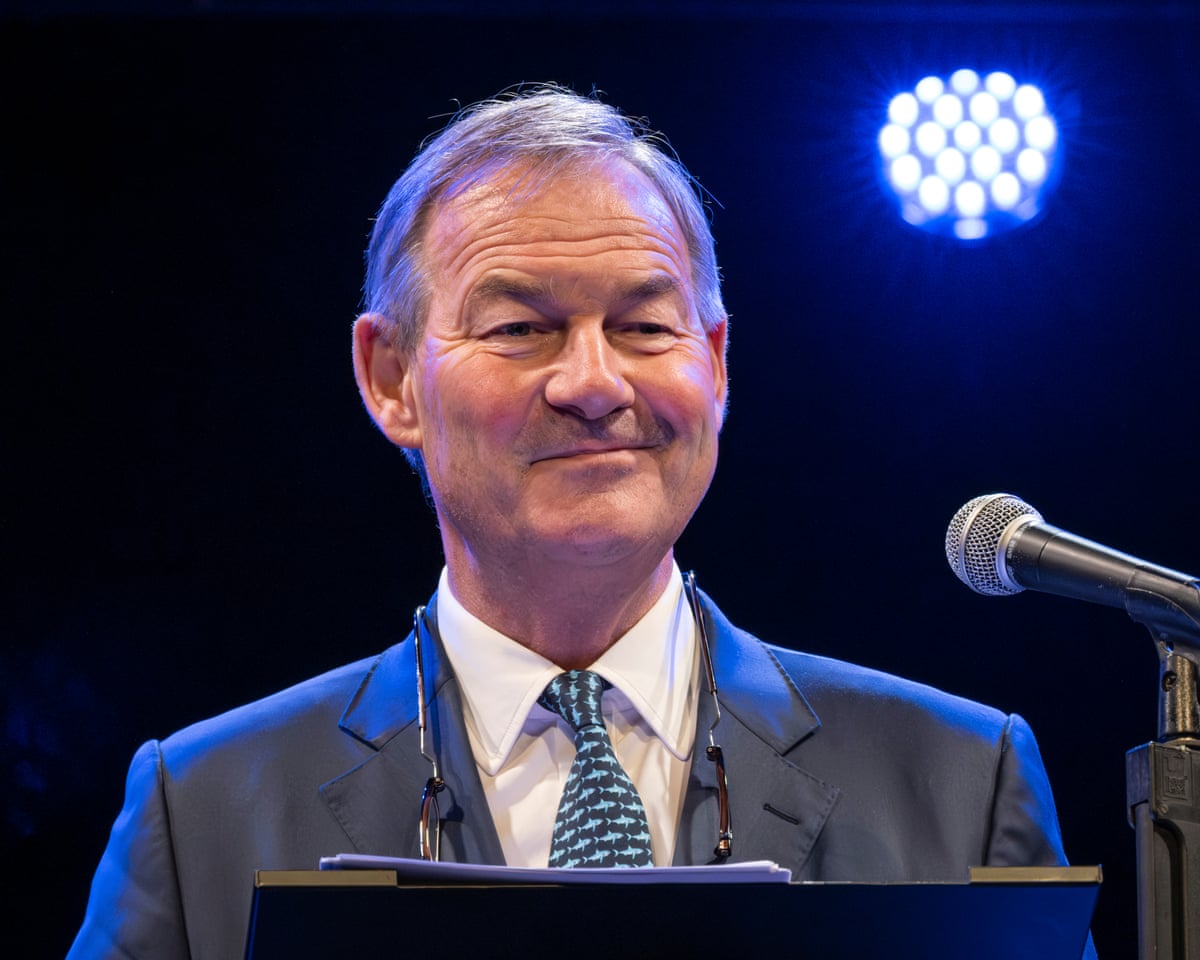
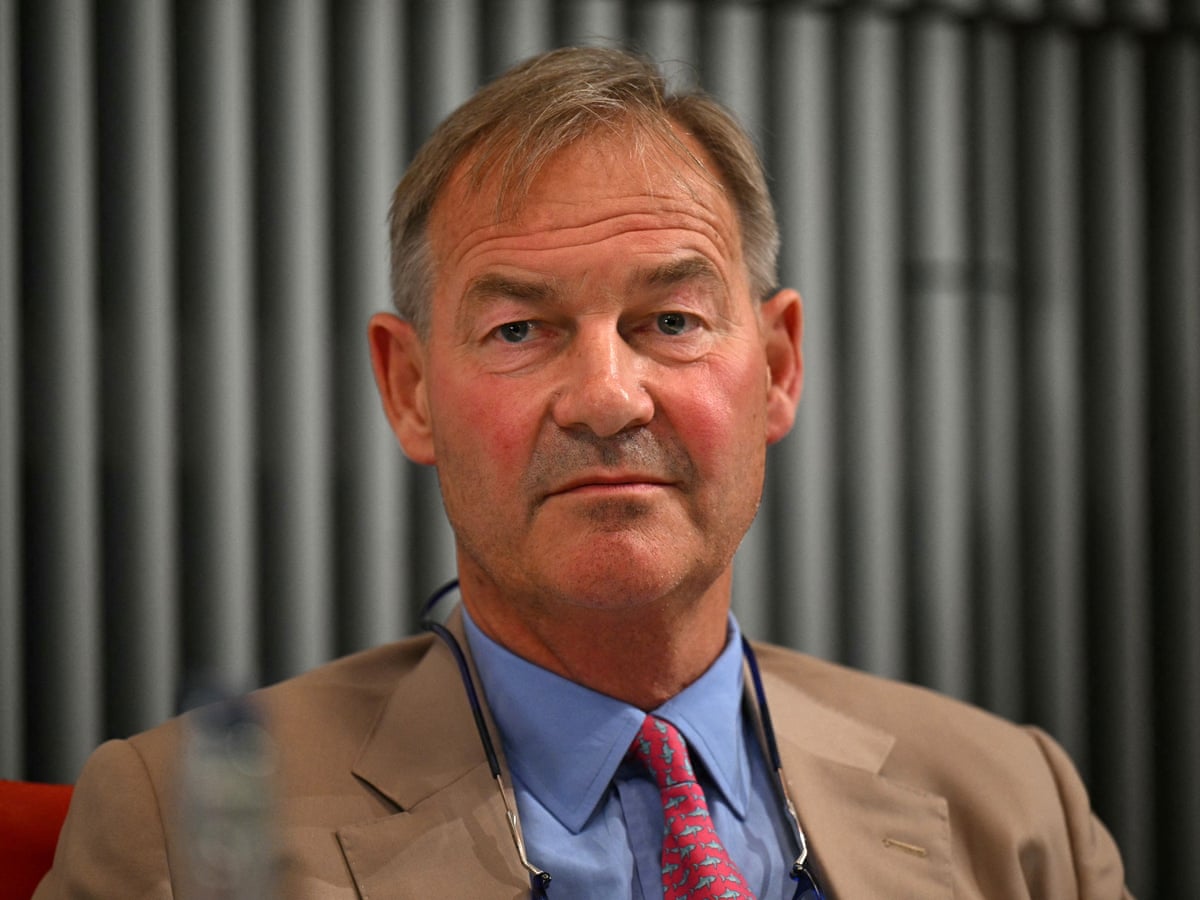
The United Kingdom is standing at a historical crossroads, but according to one of its most respected military veterans, the path ahead leads directly to internal armed conflict. Retired Colonel Richard Kemp, a man whose career was forged in the heat of Afghanistan and the complexities of the “Herrick” era, has broken his silence on a topic most politicians refuse to touch: the inevitability of a physical civil war in Britain.
For years, many have spoken of a “cultural civil war” or a “war of words” on social media. However, Kemp is not interested in metaphors. He is warning of a tangible, kinetic struggle that he believes will pit the state, the indigenous population, and specific migrant communities against one another in a three-sided battle for the future of the nation.
The “Northern Ireland” Template
Colonel Kemp’s vision of this conflict does not involve two uniformed armies meeting on a traditional battlefield. Instead, he points to the “Troubles” in Northern Ireland as the likely template—but with a terrifying modern twist.
“I’m not talking about American civil war armies,” Kemp explained. “I’m talking about something more like Northern Ireland, but on a much more intensive scale.” This means a landscape defined by IEDs, bombings, and urban guerrilla warfare where the “enemy” is indistinguishable from the civilian population. In our current era, this threat is amplified by 50 years of technological advancement in weaponry, surveillance, and digital radicalization.
The comparison is sobering. While the Northern Ireland conflict was a tragedy that spanned decades, Kemp suggests that the coming British struggle could be even more intense, fueled by deeper cultural divides and a total lack of national unity.
A Government “Without the Guts”
According to Kemp, the primary driver of this coming catastrophe is political cowardice. He argues that current and prospective UK governments lack the “guts” to address the “Islamification” of the UK or the rapid erosion of social cohesion.
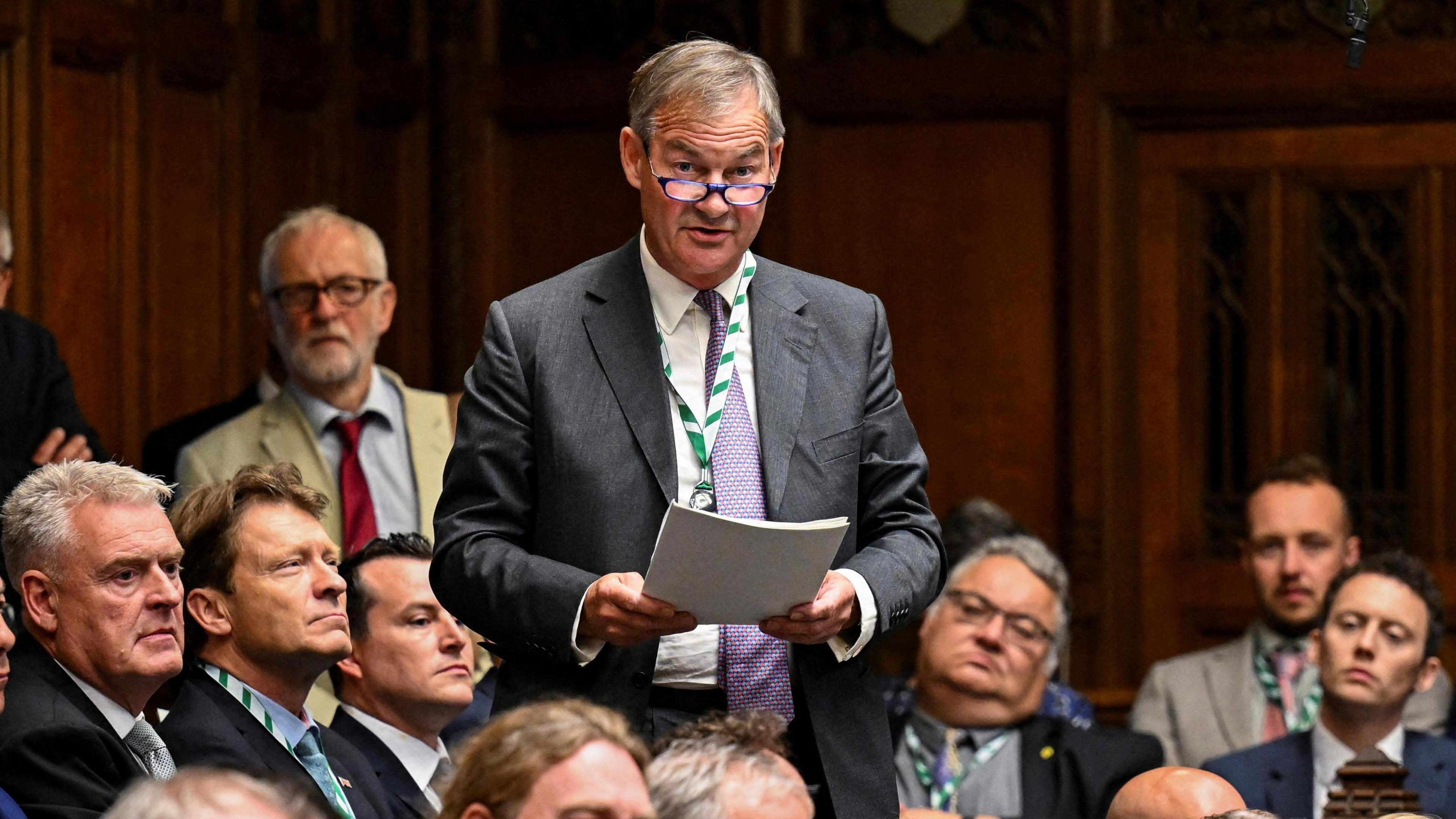
“They don’t want trouble,” Kemp remarked. “They look four years ahead… they will kick the can down the road to somebody else.” By failing to enforce strict borders and failing to integrate a rapidly growing and often self-segregated population, the state is effectively setting the stage for an explosion. Kemp believes the government has become a third party in this tension, often at odds with the very people it is supposed to represent.
The Rise of “Restore Britain”
This perceived betrayal by the political establishment has paved the way for a radical shift in British politics. Movements like “Restore Britain,” led by figures such as Robert Lowe, are seeing a surge in support from what Kemp describes as the “tolerant, patient, and disciplined” British public who have finally been “tipped over the edge.”
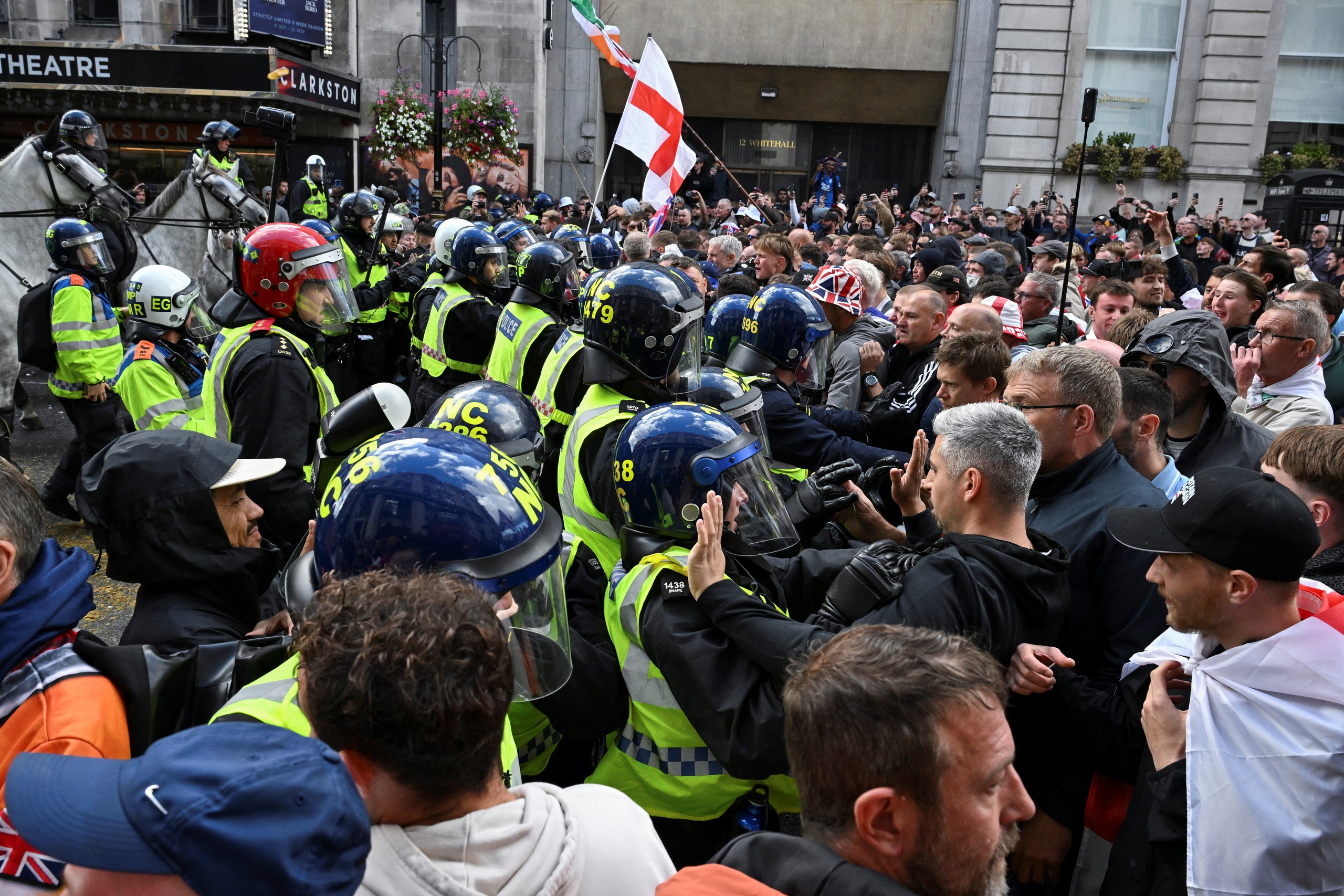
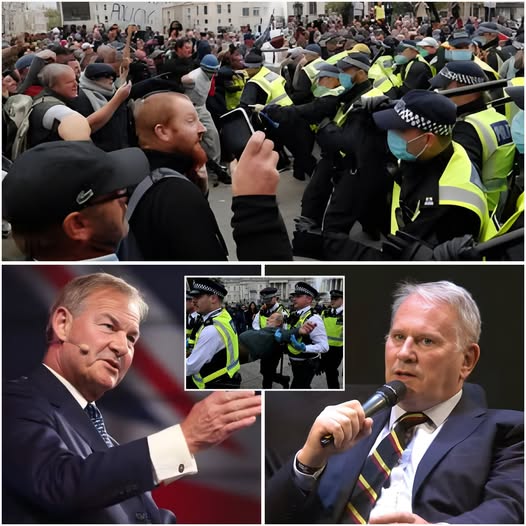
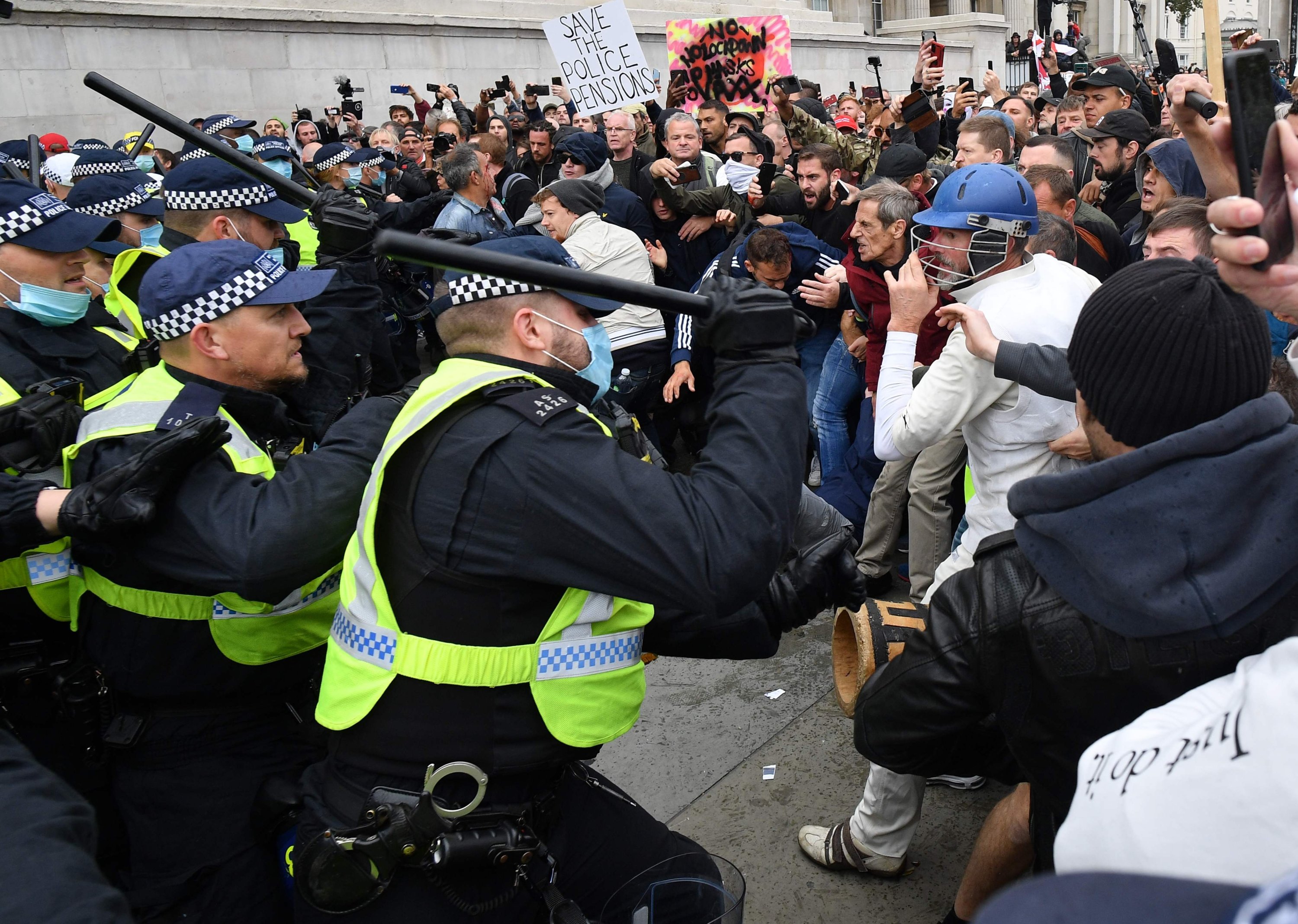
The statistics cited by military observers are equally alarming. Kemp famously pointed out that at the height of the conflict in Afghanistan, there were more British Muslims fighting alongside the Taliban than there were serving in the British Army. This disparity highlights a profound disconnect in national identity—a disconnect that is now manifesting in near-constant protests and increasingly violent riots on the streets of London and other major cities.
Global Triggers for Local Violence
Perhaps most dangerous is the fragility of the current peace. We are living in an era where events in other nations—such as the ongoing conflicts in Gaza or Iran—act as immediate triggers for civil unrest in the UK. The frequency and intensity of these “proxy protests” are growing, leading many to wonder if a single spark from a foreign land could be the final tip-over point for British society.
The scale of potential violence is not hypothetical. Analysts point to the recent uprisings in Iran, where possibly 30,000 people were killed in just a few weeks of civil unrest. In a densely populated, highly connected nation like the UK, a similar breakdown could lead to casualties on a scale the British Isles have not seen in centuries.
Are We Already in the Early Stages?
For many, the question is no longer “is it coming?” but “are we already in it?” The division is no longer just political; it is physical. High-street protests are becoming more frequent, mainstream media trust has evaporated, and the “reset” of British politics is already underway.
While the government continues to frame these issues through the lens of “diversity” and “inclusion,” military minds like Colonel Kemp see a different reality: a nation losing its grip on its own security. The Colonel’s warning is clear: unless the state finds the courage to act, the “can” that has been kicked down the road for decades is about to hit a dead end.
The British people have been patient, but as the Colonel warns, even the most disciplined population has its breaking point. Whether through a planned attack or a spontaneous eruption of communal violence, the “fragile time” we are in is nearing its conclusion.