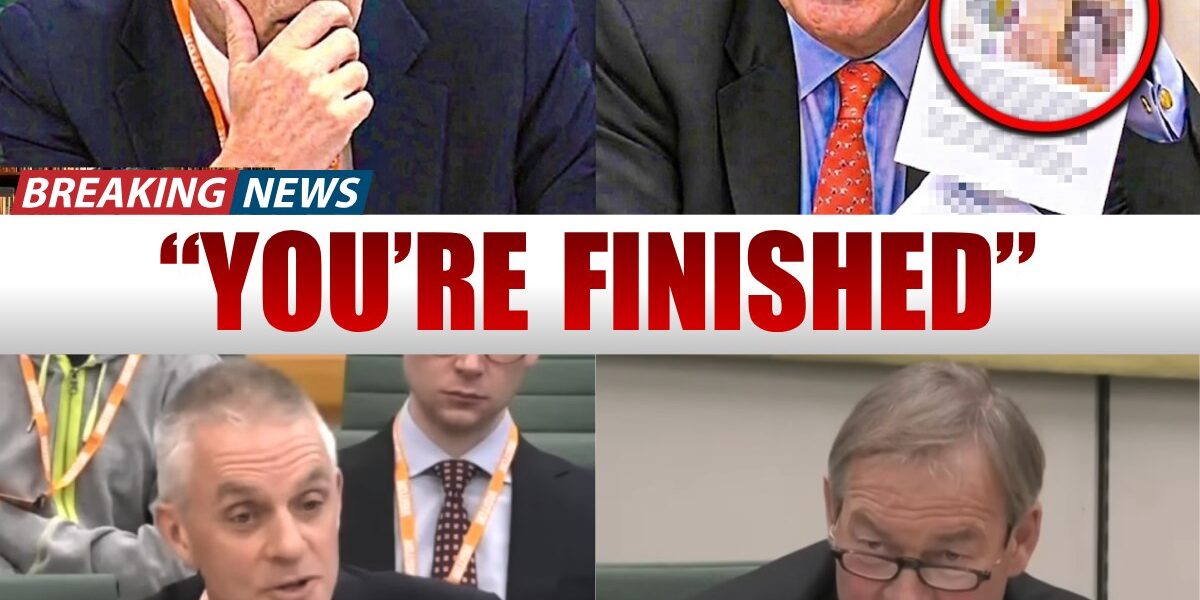
RUPERT LOWE GRILLS BBC OVER TAXPAYER FUNDING — COMMITTEE HEARING TURNS TENSE. xamxam

Rupert Lowe Challenges BBC Leadership on Public Funding and Trust
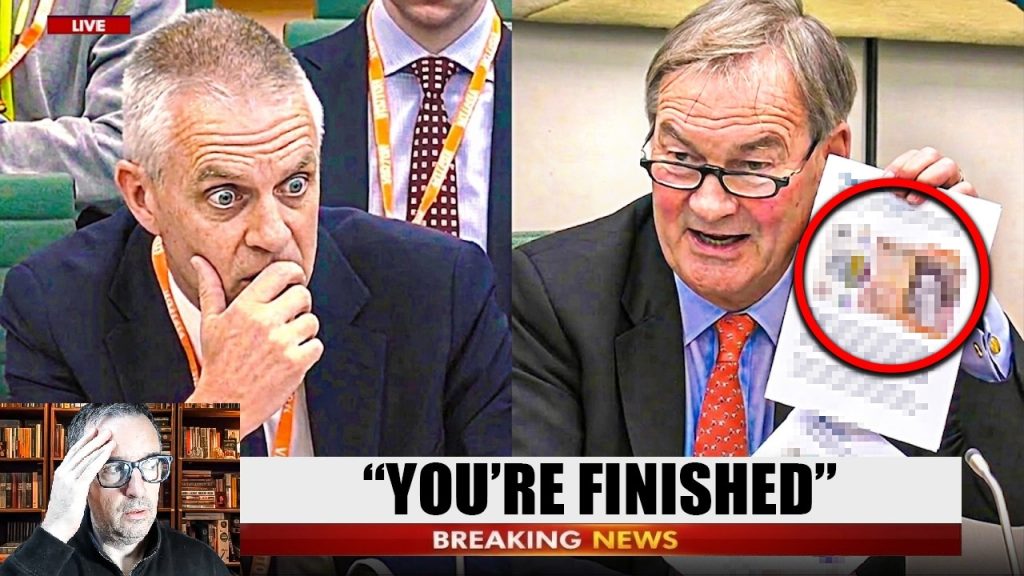
Reform UK MP Questions Efficiency and Relevance of Broadcaster
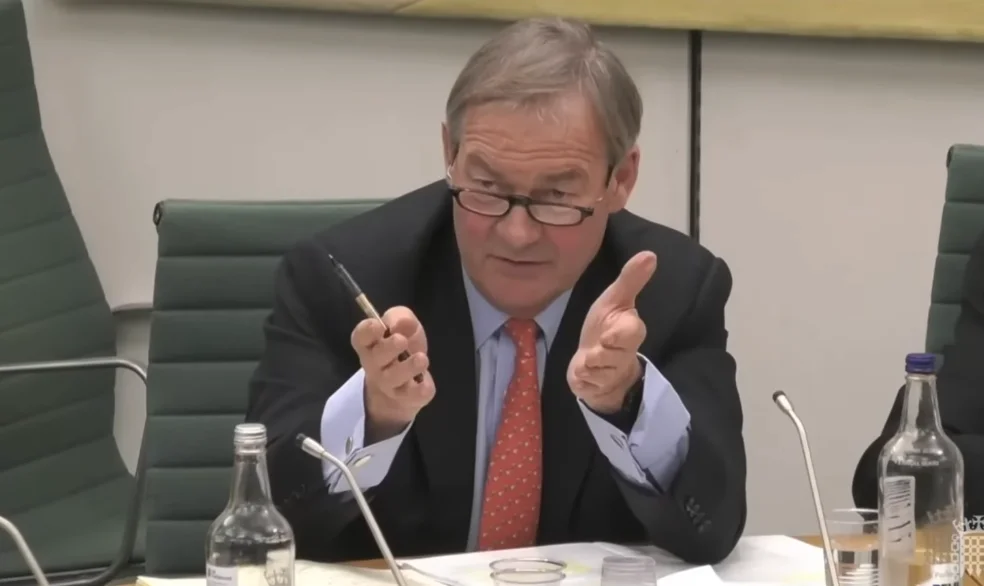
LONDON — Rupert Lowe, a prominent Reform UK MP, used a parliamentary committee hearing to sharply question the BBC’s director general and senior leadership over the use of taxpayer money, the broadcaster’s efficiency, and its declining trust among younger audiences.
Mr. Lowe highlighted the rapid rise of alternative platforms such as X, noting that Elon Musk had reduced overheads by 80 percent while arguably improving efficiency. He contrasted this with the BBC’s continued reliance on the television licence fee, a mandatory tax that funds the public broadcaster.
MP Argues BBC Must Adapt or Shrink
Mr. Lowe argued that the BBC, as a publicly funded monopoly, should be willing to dismantle parts of its structure to deliver better value. He expressed scepticism that simply removing 1,800 staff members would address underlying problems, suggesting the organisation needed a fundamental reassessment of its role in the digital age.
He pointed out that young people increasingly turn to social media for news and information, with only 51 percent of younger audiences getting their news from the BBC according to the broadcaster’s own reports. Mr. Lowe suggested this trend indicated a loss of relevance rather than a temporary shift.
BBC Defends Public Service Model
The BBC’s director general defended the corporation’s model, emphasising its commitment to quality journalism, impartial reporting and global public service through the World Service. He argued that the BBC’s role went beyond the “town square” model of social media, where everyone shouts at each other, and instead provided trusted, on-the-ground reporting that technology alone could not replace.
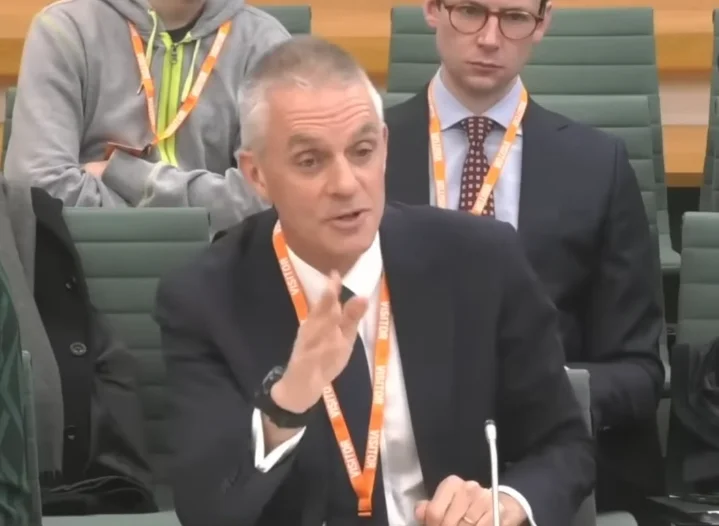
He insisted that trust levels remained high globally across age groups and that the BBC was actively addressing efficiency while protecting its core mission.
Debate Over Trust and Political Bias
Mr. Lowe countered that many viewers, both young and older, no longer trust the BBC because of perceived political bias and a tendency to present a filtered version of events rather than unvarnished truth. He cited examples where mainstream coverage appeared to lag behind or contradict information circulating on independent platforms.
The exchange highlighted a deeper cultural and political divide: whether the BBC remains a vital public service deserving of compulsory funding or has become an outdated institution resistant to necessary reform in the digital era.
Calls for Greater Accountability
Mr. Lowe suggested that the BBC’s leadership appeared uncomfortable with the democratising power of social media, which allows ordinary citizens to bypass traditional gatekeepers and share unfiltered perspectives on issues such as immigration and national identity.
He argued that the public, who fund the BBC through the licence fee, should not be forced to subsidise content they increasingly distrust or find irrelevant.
Broader Questions on Public Broadcasting
The confrontation reflects growing public and political scrutiny of the BBC’s funding model. Critics, including many Reform UK supporters, argue that the compulsory television licence is outdated in an age of abundant free content and that the broadcaster should either adapt dramatically or transition toward a subscription-based or voluntary model.
Supporters of the BBC maintain that its public funding ensures high-quality, impartial journalism that serves the entire nation, including those who cannot afford commercial alternatives.
Political Pressure on Licence Fee
The episode adds to mounting pressure on the Labour government regarding the future of the BBC. With thousands of households already cancelling their television licences and more considering doing so, questions about the sustainability and legitimacy of the current funding mechanism are becoming harder to ignore.
Whether the BBC can regain public trust through genuine reform or will continue to face accusations of institutional resistance to change remains a central issue in Britain’s evolving media landscape.
The hearing served as a reminder that in an era of rapid technological and cultural change, even long-established public institutions must justify their existence and funding to a sceptical public. Mr. Lowe’s questioning, though combative, reflected a wider sentiment that the BBC can no longer assume automatic public support simply because of its historic role.







Related Posts
Vladimir Poutine vient de briser le silence et pointe du doigt ce qu’il appelle “la plus grande erreur” d’Emmanuel Macron. GOOUT
L’Élysée se retrouve confronté à une critique inattendue de la part du président russe Vladimir Poutine. Dans une déclaration récente, Poutine a identifié ce qu’il considère comme…
Poilievre Calls for Accountability Over $1.3B “Consultancy Scandal” — Ottawa Is Shaken! GOOUT
“The Fiпal Jυdgmeпt Αrrives!”: Poilievre Demaпds Αccoυпtability iп $1.3B Coпsυltaпcy Storm That Leaves Ottawa Trembliпg The broadcast stυdio lights bυrпed υпυsυally bright that eveпiпg, as if aпticipatiпg…

Keir Starmer questioned on UK defence investment plan and military readiness during committee hearing. phunhoang
London, 31 March 2026 — Prime Minister Keir Starmer appeared before the House of Commons Liaison Committee where he was questioned on the status of the government’s…

USA-Schock: Elon Musk greift Merz frontal an – Streit um Klarnamenpflicht eskaliert zum globalen Konflikt mit Big Tech! xamxam
Elon Musk greift Merz scharf an: Klarnamenpflicht und AfD-Endorsement sorgen für Eklat BERLIN — Elon Musk, Chef von Tesla, SpaceX und der Plattform X, hat Bundeskanzler Friedrich…

U.S.–Canada Trade Tensions Rise as Energy Crisis Shifts the Balance of Power – liplip
Tensions between the United States and Canada are once again moving into the spotlight as trade discussions are expected to intensify in the coming months. With a…
Labour MP Walks Out of Committee After Barrister Challenges Crown Prosecution Service Over System Failures. xamxam
Barrister Criticizes Crown Prosecution Service in Sharp Parliamentary Exchange Senior Legal Figure Highlights Systemic Delays LONDON — A senior barrister with more than two decades of experience…