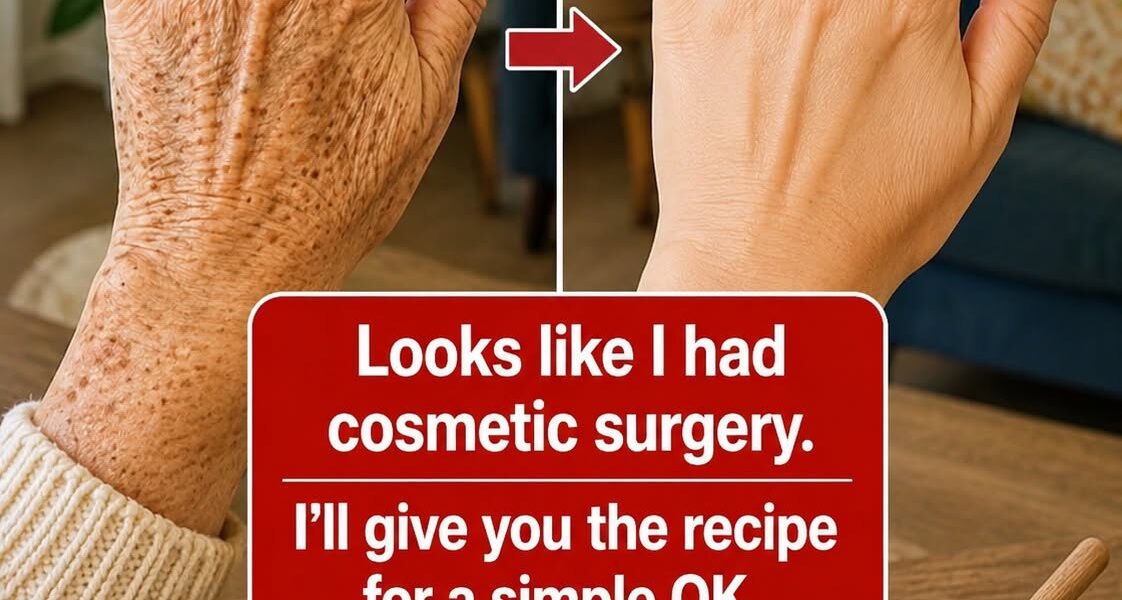

There is a moment many older adults know all too well. You glance down while paying at the grocery store, holding a grandchild’s hand, or reaching for your morning coffee and suddenly notice something you had not paid attention to before. The skin on your hands seems thinner. Small wrinkles appear more visible. Dark spots seem to stand out in certain lighting. It can feel frustrating because your hands often reveal signs of aging before other parts of the body.
What makes it even more confusing is the flood of viral home remedies online. One day it is toothpaste. The next day it is baking soda. Then someone claims a simple kitchen ingredient made their hands look years younger overnight. The truth is more complicated than that. In this guide, we will explore what really causes wrinkles and dark spots on the hands and arms, what science says about popular home remedies, and the simple habits that may help your skin look healthier over time. Stay until the end because one overlooked daily habit may be contributing more to visible aging than most people realize.
 Why Hands and Arms Often Show Signs of Aging First
Our hands work hard every day. They are exposed to sunlight, water, cleaning products, temperature changes, and countless small stresses.
As we age, several natural changes occur:
• The skin produces less collagen and elastin, proteins that help maintain firmness and flexibility.
• The layer of fat beneath the skin gradually becomes thinner.
• Years of sun exposure may contribute to uneven pigmentation.
• Skin can become drier and more fragile.
The result is often a combination of:
• Fine lines and wrinkles
• Rough texture
• Dryness
• Dark spots sometimes called age spots or sun spots
• More visible veins and tendons
But that is not all.
Many people focus only on facial skincare while neglecting their hands and arms. This creates a noticeable contrast. The face may receive sunscreen, moisturizers, and regular care while the hands remain exposed day after day.
Research has consistently shown that cumulative sun exposure plays a major role in visible skin aging. That is why protecting the skin from ultraviolet radiation remains one of the most important long term habits.
Common Factors That Can Make Hands Look Older
| Factor | Possible Impact on Skin |
|---|---|
| Sun exposure | Uneven skin tone and visible spots |
| Dry skin | More noticeable fine lines |
| Frequent washing | Loss of natural moisture |
| Smoking | Accelerated appearance of aging |
| Poor hydration habits | Dull and rough looking skin |
| Lack of sunscreen | Increased visible signs of photoaging |
The good news is that small daily changes may help support healthier looking skin over time.
The Truth About Toothpaste and Baking Soda Home Remedies
 If you have spent any time on social media, you have probably seen claims that mixing toothpaste with baking soda can dramatically improve the appearance of wrinkles or dark spots.
Here is where caution is important.
Toothpaste is designed for teeth, not skin. Many formulas contain ingredients intended to clean enamel and freshen breath. These ingredients may be too harsh for delicate skin.
Baking soda is also highly abrasive. While it may remove surface buildup in some situations, excessive use can irritate the skin barrier.
The skin barrier is your body’s natural protective shield. When it becomes irritated, you may experience:
• Redness
• Dryness
• Sensitivity
• Flaking
• Increased discomfort
The reality is that no topical home remedy can instantly remove years of visible aging.
This does not mean all home care is useless. Far from it.
The most effective skincare habits are usually the least dramatic. Consistent moisturizing, sun protection, gentle cleansing, and healthy lifestyle habits often provide more meaningful benefits than trendy internet hacks.
Why Viral Beauty Claims Spread So Quickly
Many online images use:
• Different lighting
• Different camera angles
• Makeup
• Filters
• Temporary skin hydration effects
A freshly moisturized hand may appear smoother for several hours. That does not necessarily mean a permanent change has occurred.
This is why experts encourage evaluating skincare claims carefully and focusing on evidence based practices rather than overnight promises.
What Science Says About Supporting Healthier Looking Skin
 Now for the interesting part.
While there is no magic ingredient that instantly transforms aging skin, several approaches have scientific support for helping maintain skin appearance.
1. Daily Moisturization
Moisturizers help reduce water loss from the skin.
Well hydrated skin often appears:
• Smoother
• Softer
• More comfortable
• Less rough
Look for ingredients commonly used in moisturizers such as:
• Glycerin
• Hyaluronic acid
• Ceramides
• Shea butter
2. Sun Protection
This may be the most overlooked step.
Many adults apply sunscreen to the face but forget their hands.
Regular sun protection can help reduce further sun related skin changes over time.
Consider:
• Broad spectrum sunscreen
• Protective clothing
• Gloves during prolonged outdoor activities
3. Gentle Exfoliation
The goal is not to scrub aggressively.
Gentle exfoliation may help remove surface dead skin cells and improve the appearance of skin texture.
However, moderation is important. Over exfoliation can irritate the skin.
4. Nutrient Rich Eating Habits
The skin is part of the body. It reflects overall health.
A balanced diet rich in fruits, vegetables, healthy fats, and adequate protein may support normal skin function.
Some nutrients commonly associated with skin health include:
• Vitamin C
• Vitamin E
• Zinc
• Omega 3 fatty acids
5. Adequate Sleep
This may sound unrelated, but sleep plays a role in many restorative processes throughout the body.
Chronic sleep deprivation can contribute to a tired and less vibrant appearance.
And here is the surprising part.
Many people spend money on expensive products while consistently getting too little sleep. Improving sleep habits may be one of the simplest lifestyle changes available.
A Simple Daily Routine for Hands and Arms

If you feel overwhelmed by complicated skincare advice, keep it simple.
Here is a practical routine that many adults can follow.
Morning
Apply a gentle moisturizer after washing your hands.
Use sunscreen on exposed areas including the backs of the hands and forearms.
Wear protective clothing if spending extended time outdoors.
Throughout the Day
Reapply moisturizer after frequent hand washing.
Avoid excessively hot water whenever possible.
Wear gloves when using harsh cleaning products.
Evening
Wash with a gentle cleanser.
Apply a richer moisturizing cream before bed.
Consider wearing lightweight cotton gloves overnight if your skin tends to become very dry.
Weekly
Use gentle exfoliation only if your skin tolerates it well.
Avoid aggressive scrubbing techniques promoted on social media.
The key is consistency.
Many people abandon healthy habits because results are not immediate. Yet visible skin changes often develop over years and may require patience to manage.
Habits Worth Avoiding
• Picking at dark spots
• Excessive scrubbing
• Frequent use of harsh DIY mixtures
• Skipping sunscreen
• Smoking
• Ignoring persistent skin changes that concern you
Remember, healthy skin habits are more like a marathon than a sprint.
When Should You Speak With a Healthcare Professional?
Most wrinkles and age related skin changes are a normal part of getting older.
However, some skin changes deserve professional attention.
Consider consulting a qualified healthcare professional if you notice:
• A spot that changes rapidly
• Bleeding or persistent irritation
• Significant discomfort
• Sudden changes in pigmentation
• Areas that do not heal properly
Early evaluation can provide reassurance and help determine whether further assessment is needed.
This is especially important because not every dark spot is simply an age related change.
Comparing Popular Approaches
| Approach | Potential Benefits | Important Considerations |
|---|---|---|
| Moisturizer | Supports hydration | Requires regular use |
| Sunscreen | Helps protect against UV exposure | Must be applied consistently |
| Gentle exfoliation | May improve surface texture | Overuse can irritate skin |
| Healthy diet | Supports overall wellness | Results are gradual |
| DIY abrasive remedies | May provide temporary smoothing sensation | Can irritate sensitive skin |
| Professional evaluation | Personalized guidance | Appropriate for concerning skin changes |
Here is something many people overlook.
The goal is not perfect skin.
The goal is healthy, comfortable skin that allows you to live confidently and comfortably.
That shift in mindset often reduces frustration and leads to more sustainable habits.
Conclusion
Wrinkles and dark spots on the hands and arms are common concerns, especially as we age. While viral home remedies involving toothpaste, baking soda, and other household ingredients may sound appealing, they rarely provide the dramatic results often advertised online.
Instead, the most reliable approach focuses on simple habits practiced consistently: protecting the skin from sun exposure, maintaining hydration, using gentle skincare products, eating a balanced diet, and seeking professional guidance when needed.
The biggest secret is not hidden in a kitchen cabinet. It is found in daily routines repeated over months and years. Small actions performed consistently often matter far more than any trendy shortcut.
FAQ
Can toothpaste improve the appearance of wrinkles on hands?
There is limited scientific evidence supporting toothpaste as a wrinkle care solution. Some ingredients may irritate or dry the skin, especially with repeated use.
Are dark spots on hands always caused by aging?
Not always. Sun exposure is a common contributor, but other factors can also affect skin pigmentation. Any concerning or changing spot should be evaluated by a healthcare professional.
What is the most important habit for maintaining healthy looking hands?
Consistent sun protection is one of the most important habits. Combining sunscreen with regular moisturization can help support healthier looking skin over time.
Medical Disclaimer: This article is for educational and informational purposes only and is not a substitute for professional medical advice, diagnosis, or individualized healthcare guidance. Always consult a qualified healthcare professional regarding concerns about your skin or overall health.