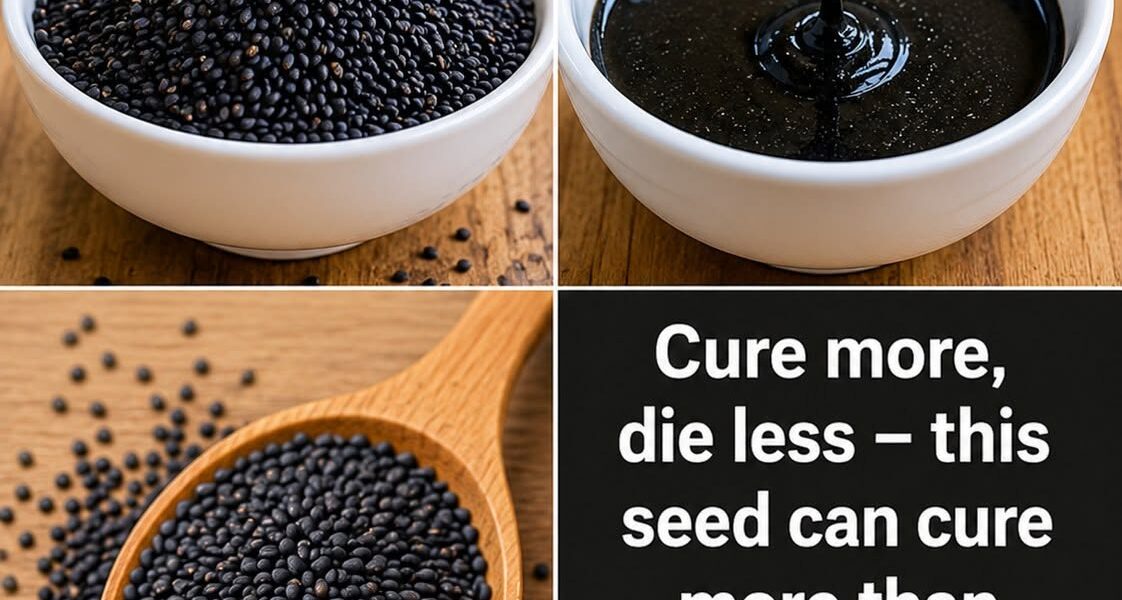
Discover the Ancient Seed That’s Captivating Wellness Enthusiasts: Black Sesame Seeds and Simple Ways to Enjoy Them

In today’s fast-paced world, many people are searching for easy, natural additions to their daily routines that support overall well-being and vitality. With busy schedules and constant demands, it’s common to feel like everyday nutrition could use a simple boost—something nutrient-dense that fits seamlessly into meals without complicated changes. That’s where humble black sesame seeds come in. Packed with interesting compounds studied in traditional practices and modern research, these tiny seeds offer a flavorful way to explore nutrient variety. And if you’re wondering about practical ways to incorporate them, stick around—we’ll share an easy recipe at the end.

What Makes Black Sesame Seeds Stand Out?
Black sesame seeds have been valued for centuries in various cultures, particularly in Asian traditions, where they appear in everyday cooking and wellness habits. Unlike their white counterparts, black sesame seeds have a darker hull that contributes unique pigments and a slightly more robust, nutty flavor.
These small seeds are remarkably nutrient-dense. A typical 2-tablespoon (14g) serving provides around 100 calories, along with:
- Protein: About 3 grams
- Healthy fats: 9 grams, including polyunsaturated and monounsaturated varieties
- Fiber: 2 grams
- Key minerals: Significant amounts of calcium (up to 18% DV), magnesium, iron, copper, and manganese
They also contain vitamin E forms like gamma-tocopherol and unique lignans such as sesamin and sesamolin. These components make black sesame seeds a popular choice for those interested in exploring antioxidant-rich foods.
 100vw, 800px” data-lazy-src=”https://healthy.alodi.net/wp-content/uploads/2026/06/image-1848.jpg” /></figure>
<h2 class=) Nutritional Highlights and Why People Love Them
Nutritional Highlights and Why People Love Them
Research highlights the impressive profile of black sesame seeds. Studies note their lignans and phenolic compounds, which contribute to their reputation in functional foods.
Here’s a quick comparison of key nutrients (per approximate 2 tbsp serving):
- Calcium: Supports bone health discussions in many wellness circles
- Magnesium: Often linked to energy and muscle function
- Iron: Important for daily vitality
- Antioxidant compounds: Including vitamin E and lignans
But that’s not all. The seeds’ natural oils and pigments add depth to both savory and sweet dishes, making them versatile for modern kitchens.
Many people incorporate them to add texture and subtle nuttiness to smoothies, baked goods, or salads. Their rich mineral content appeals to those focusing on whole-food nutrition.
Potential Wellness Connections Backed by Research
Scientific interest in sesame seeds, including black varieties, has grown. Various studies (mostly animal, in vitro, and some human) explore how their bioactive compounds interact with the body. For example:
- Antioxidant properties: Compounds like sesamin may help combat oxidative stress, as noted in lab research.
- Heart health support: Some human trials suggest sesame consumption can influence lipid profiles and blood pressure markers positively when part of a balanced diet.
- General vitality: Traditional uses and preliminary findings point to roles in supporting liver and kidney function discussions, though more large-scale human studies are needed.
It’s important to view these as part of broader lifestyle patterns rather than standalone solutions. Always consult healthcare professionals for personalized advice.
Here’s something particularly interesting: Black sesame seeds are often highlighted in discussions around traditional Chinese medicine for their nourishing qualities, and modern analyses confirm high levels of beneficial minerals and lignans compared to some other seeds.
 100vw, 800px” data-lazy-src=”https://healthy.alodi.net/wp-content/uploads/2026/06/image-1849.jpg” /></figure>
<h2 class=) Easy Ways to Add Black Sesame Seeds to Your Routine
Easy Ways to Add Black Sesame Seeds to Your Routine
Ready to try them? Here are practical, actionable tips:
- Sprinkle on meals: Toast lightly and add to oatmeal, yogurt, or salads for crunch.
- Blend into smoothies: A spoonful adds creaminess and nutrients.
- Use in baking: Incorporate into breads, cookies, or energy bars.
- Make a simple topping: Mix with honey or tahini for a spread.
These small habits can help increase variety in your diet without much effort.
Simple Black Sesame Recipe You Can Make at Home
One popular way to enjoy them is in a versatile paste or drink base. Here’s a straightforward recipe for Homemade Black Sesame Paste (makes about 1 cup):
Ingredients:
- 1 cup black sesame seeds
- 1-2 tablespoons neutral oil (like sesame or coconut) or as needed
- Optional: A touch of honey or maple syrup for sweetness (to taste)
Steps:
- Toast the seeds in a dry pan over medium-low heat for 5-8 minutes until fragrant. Stir frequently to avoid burning.
- Let them cool slightly, then blend in a food processor or high-speed blender.
- Add oil gradually while blending until smooth and paste-like (3-5 minutes). Scrape sides as needed.
- Store in an airtight jar in the fridge for up to 2 weeks.
Use this paste in warm milk or water for a cozy drink, drizzle over toast, or swirl into desserts. It’s a simple way to experiment with the seeds’ rich flavor.
 100vw, 800px” data-lazy-src=”https://healthy.alodi.net/wp-content/uploads/2026/06/image-1850.jpg” /></figure>
<h2 class=) More Creative Ideas for Daily Use
More Creative Ideas for Daily Use
- Black Sesame Latte: Stir paste into steamed milk or plant-based alternative.
- Energy Bites: Mix with oats, dates, and nuts.
- Salad Dressing Boost: Combine with vinegar and herbs.
Experimenting with these can make healthy eating more enjoyable and sustainable.
Frequently Asked Questions (FAQ)
Are black sesame seeds better than white ones? They offer a similar nutritional base but with higher pigment content and sometimes slightly elevated levels of certain antioxidants and minerals, according to comparative studies. Both are excellent choices.
How much should I consume daily? A common starting point is 1-2 tablespoons. Start small and see how your body responds as part of a varied diet.
Can I use black sesame oil instead? Yes! The oil is great for cooking or dressings and retains many beneficial fats and compounds. It’s a flavorful alternative for those who prefer liquid form.

Wrapping Up: A Tiny Seed with Big Potential
Black sesame seeds represent a wonderful example of how traditional ingredients continue to inspire modern wellness approaches. Their nutrient density, versatile flavor, and role in simple recipes make them worth adding to your pantry. Whether you’re exploring new tastes or seeking nutrient variety, this ancient seed offers an accessible entry point.
Remember, no single food is a miracle—consistent, balanced habits matter most. Enjoy the process of discovery!
Disclaimer: This article is for informational purposes only and is not intended as medical advice. The information provided is based on general research and traditional uses. Consult with a qualified healthcare professional before making significant dietary changes, especially if you have existing health conditions, allergies, or are pregnant. Individual results may vary. Always prioritize evidence-based care.