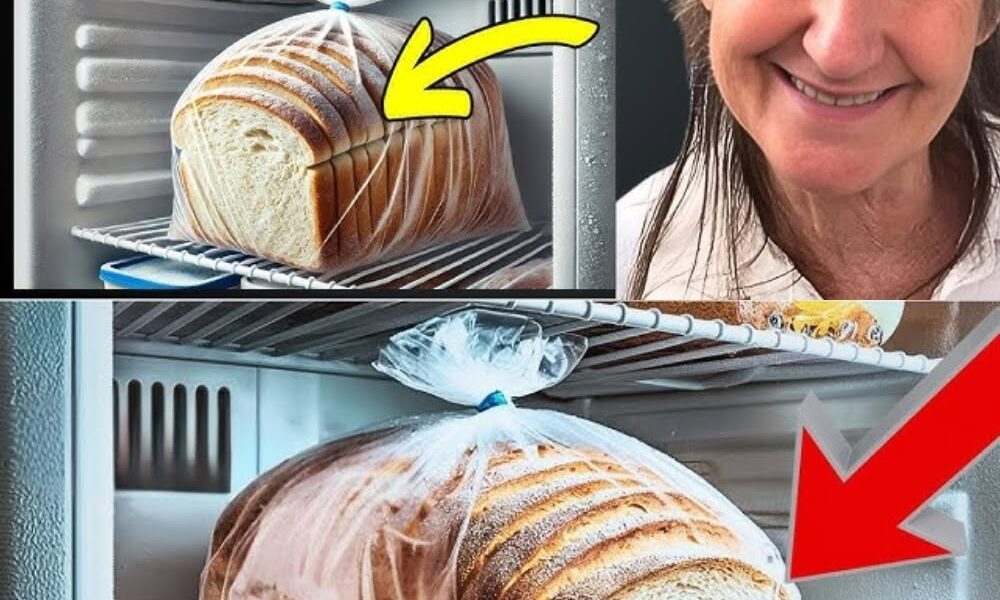
⚠️ A disastrous mistake when storing bread in the freezer: You’re inviting trouble without even realizing it.VA

Freezing bread is one of the simplest ways to keep it fresh, but most people are doing it wrong. While tossing a loaf straight into the freezer may seem harmless, small mistakes can ruin the flavor, destroy the texture, and in some cases even create conditions that make bread unsafe to eat.
Yes — the way you freeze bread matters more than you think. From sogginess to freezer burn, or worse, mold that creeps in unnoticed, improper storage can turn a perfectly good loaf into a dangerous mistake. Here are the most common errors people make when freezing bread — and how to fix them.

1. Not Wrapping Bread Properly
Throwing bread into the freezer without sealing it tightly is a recipe for disaster. Air exposure causes freezer burn, which dries out bread and gives it a cardboard-like taste. Always wrap bread in plastic wrap or aluminum foil, then place it inside a resealable freezer bag for maximum protection.
2. Freezing Bread Without Slicing It
Freezing a whole loaf may seem convenient, but when you want just one slice, you’ll be forced to thaw the entire thing. This leads to rapid staleness and waste. The smarter method? Slice the bread first, then freeze it. That way, you can grab exactly what you need.
3. Freezing Bread That’s Still Warm
This is a silent killer of good bread. If you freeze bread straight from the oven, the trapped steam turns into condensation, which leads to sogginess and ice crystals. Always let bread cool completely before freezing.
4. Keeping Bread in the Freezer Too Long
Bread isn’t meant to live in the freezer forever. Beyond 3 months, it starts to lose flavor and texture. While it’s still safe to eat, it won’t taste the same. For the best experience, rotate your bread stash regularly.
5. Freezing in Large Portions
If you freeze bread in big chunks, you’ll be tempted to thaw and refreeze it — a habit that kills both taste and freshness. Instead, freeze in smaller, portioned packs.
6. Freezing Bread with Fillings or Toppings
Stuffed bread, cheesy rolls, or loaves with spreads don’t freeze well. The moisture from fillings leaks into the bread and makes it mushy. Always freeze bread plain, and add extras after thawing.
7. Forgetting to Label Frozen Bread
Unlabeled bread becomes a guessing game. Was it frozen last week, or last year? To avoid stale or unsafe bread, always write the freezing date on the bag.
8. Thawing Bread the Wrong Way
The microwave might be fast, but it turns bread rubbery. Instead, thaw slices at room temperature or reheat them in the oven for a few minutes to restore that fresh-baked texture.
9. Ignoring Bread Type Before Freezing
Not all breads freeze the same. Soft loaves like white, rye, or whole wheat freeze well, but artisanal breads with crunchy crusts often lose their signature texture. Consider whether your bread is freezer-friendly before tossing it in.
10. Freezing Bread in Store Packaging
Most store-bought bread comes in thin bags that aren’t freezer-safe. Leaving bread in its original packaging exposes it to frost and dryness. Always rewrap it properly before freezing.
11. Waiting Too Long to Freeze
Freezing won’t “fix” stale bread. If you wait until it’s already hard, freezing only preserves its stale state. The best time to freeze bread? The same day you buy or bake it.
12. Skipping the Cooling Step
If bread isn’t completely cool, condensation builds up and forms ice crystals, ruining the loaf’s texture. Always make sure your bread has cooled to room temperature before freezing.
⚠️ Why These Mistakes Can Be Dangerous
While most errors just ruin texture and taste, the real danger comes when bread isn’t wrapped properly. Moisture trapped inside creates the perfect environment for mold growth once thawed. Eating moldy bread can lead to food poisoning or even severe allergic reactions. That’s why proper storage is not just about taste — it can be a matter of safety.
✅ Final Thoughts
Freezing bread is simple, but it’s not foolproof. By slicing before freezing, wrapping tightly, labeling properly, and thawing the right way, you can keep your bread as fresh and tasty as the day you bought it — without risking your health.
Treat your bread with care, and your freezer will become your best friend instead of your worst enemy.